
Founder members of German FA enjoy cult status
Germany
Teams, tales and tips – a guide to the local game
Just before Christmas 2016, RB Leipzig went to Munich for a top-of-the-table showdown. Bayern had led the league from August, Leipzig had nipped in during November. Later that season, the club became the first from former East Germany to qualify for Europe since 2001.
The last time a team from Leipzig was crowned all-German champions was 1913. Even in the post-war era, when Leipzig was the second biggest city in the German Democratic Republic (GDR), its main club, Lokomotive, never won the national league, the DDR-Oberliga.
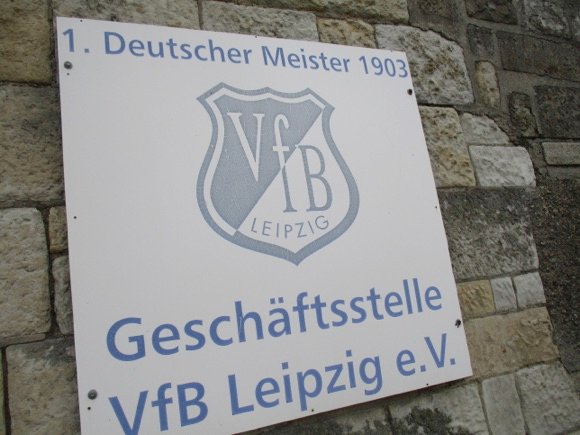
Leipzig is the cradle of German football. In 1900, the German FA, the DFB, were founded at the Mariengarten restaurant, Büttnerstraße 10. A plaque marks where the building once stood. Three years later, VfB Leipzig became Germany’s first champions, winning the title again ten years later.

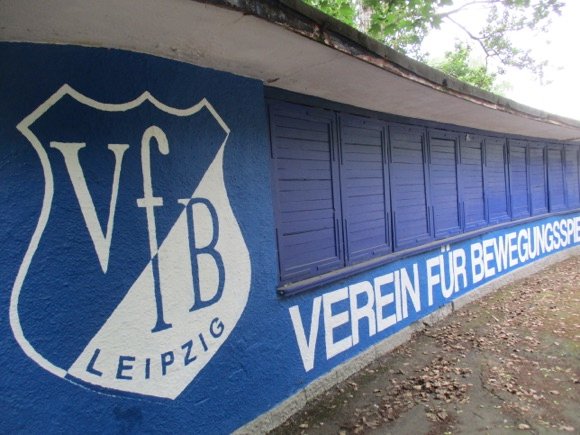
In 2016, with all the local hullabaloo created by RB Leipzig, it was proposed that a DFB Museum should open on Büttnerstraße.
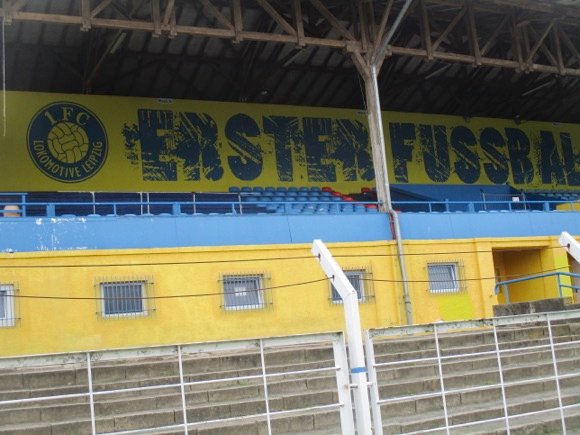
When RB Leipzig strode out against Bayern for that head-to-head clash of 2016, it had been 25 years since the last DDR-Oberliga. During that time, asphyxiated by the new economic reality, star players sold to savvier, richer clubs in former West Germany, the old giants of the GDR had wilted and disappeared – including Lokomotive, revived by fans as 1.FC Lokomotive Leipzig in 2004.
Surely then, given Bayern’s monopoly of the German game and the long absence of former GDR clubs at top level, the remarkable rise and unexpected title challenge of a team from Leipzig would have been cause for celebration?
Not at all. Because, natürlich, RB Leipzig are not from the home of Bach, Wagner and Mahler, but Markranstädt, a small town 10km south-west of Saxony’s largest city.

RB Leipzig are a vehicle for Red Bull, with stablemates in Salzburg and New York. Unable to be as flagrant about its brand in Germany, the crafty Austrian energy-drink giant called its new club RasenBallsport (‘Lawn Ball Sport’: RB) and plastered its charging bull logo everywhere.
Dietrich Mateschitz is the billionaire co-founder of Red Bull and brains behind its football operations in Austria and the US. Germany being his next move, he sought advice from Franz Beckenbauer as to where best site this crucial investment. Der Kaiser had only one answer: Leipzig.
This wasn’t only because of the city’s unique soccer heritage. As chairman of the organising committee for the 2006 World Cup, Beckenbauer had also overseen the inclusion of Leipzig and its Socialist-built Zentralstadion among the 12 host venues. The other 11 were all in former West Germany.
The Zentralstadion was the national stadium of the GDR, built by thousands of volunteers using rubble from a city devastated by Allied bombing. Without the Nazi overtones of the Olympic Stadium in Berlin, although originally sketched out by the same architect, Werner Marsch, it had attracted attendances of 110,000 for East Germany internationals.

Fallen into disuse after 1989, the old stadium was knocked down but its exterior, Socialist statuary and all, was kept when the new arena was built around it in the early 2000s. First hosting the Confederations Cup in 2005, it staged five games for the 2006 World Cup, most notably the epic Latin battle between Argentina and Mexico.
That same year, Red Bull’s Mateschitz began sniffing around Germany for a small club to piggyback for its football licence. The obvious option, as Beckenbauer pointed out, was Sachsen Leipzig.
The choice was both historical and logistical. As the pre-1990 BSG Chemie Leipzig, they not only had ties with seminal Britannia Leipzig formed in 1899 and their successor, TuRa Leipzig of the Nazi era, but they had been East German champions in the early days and still had something of a fan base.

Struggling on post-Unification as Sachsen Leipzig, the club had one crucial element in its favour: film mogul and entrepreneur Michael Kölmel.
Main sponsor of Sachsen Leipzig, Kölmel had won the contract to rebuild the Zentralstadion and raised nearly a quarter of its €90 million conversion costs.
Kölmel was very keen on the Red Bull takeover. Sachsen Leipzig fans were not. The deal fell through and Sachsen were dissolved in 2011.
The waters had been muddied by the creation of another BSG Chemie Leipzig in 1997, who then rose through the local leagues to face Sachsen in the regional Saxony league.
Now the sole heir of BSG Chemie, the club is based at the same Alfred-Kunze-Sportpark where the East German title was won in 1951 and 1964. Over the water from the former Zentralstadion, the ground is in Leipzig-Leutzsch, close to the S-Bahn station and 7 tram stop of the same name, the line also passing by the main football arena.


In 2016, BSG Chemie won the Sachsenliga to gain promotion to the fourth-tier NOFV-Oberliga. This would have set up league fixtures with local rivals Lokomotive – only at the same time, the former railway club won the NOFV-Oberliga title of 2016 and now play in the third-flight Regionalliga Nordost.
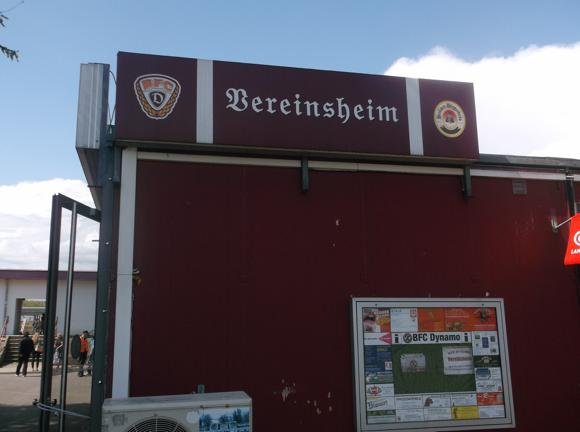
Currently featuring Dynamo Berlin, this league became the boneyard of fallen GDR giants after Unification.
With links back to inaugural German champions VfB, Lokomotive had also played at the Zentralstadion – shortly after their reformation in 2004, ‘Loksche’ set a record attendance for a local-league match when 12,421 watched them play Eintracht Großdeuben reserves. This, indeed, is a city built on football.
Now based at the Bruno-Plache-Stadion in Probstheida, close to where Napoleon lost a huge land battle in 1813, Loksche are another former GDR giant currently reawakening. Take tram 15 12 stops from the train station to Probtsheida – the ground is a short walk down Connewitzer Straße, on the left.
Rejected by Sachsen Leipzig, embraced by Markranstädt, RB Leipzig moved into the Zentralstadion in 2010. Six years later, 24 hours after a 3-0 defeat at Bayern, RB Leipzig announced that they had reached agreement with Michael Kölmel and had bought the Zentralstadion. And, of course, renamed it. All the Red Bull Arena needed was regular European football...
[mapsmarker map="281"]Getting Around
Arriving in town, local transport and timings

Leipzig/Halle Airport is 27km (17 miles) north-west of Leipzig. An S-Bahn or inter-city train runs every 15-20mins to Leipzig Hauptbahnhof main station (15-20min journey time, €6). A frequent train from Berlin takes 1hr 15mins, advance single around €25.
Leipzig Hauptbahnhof is close to the city centre a short walk away and well connected for trams, including regular services to the Red Bull Arena.
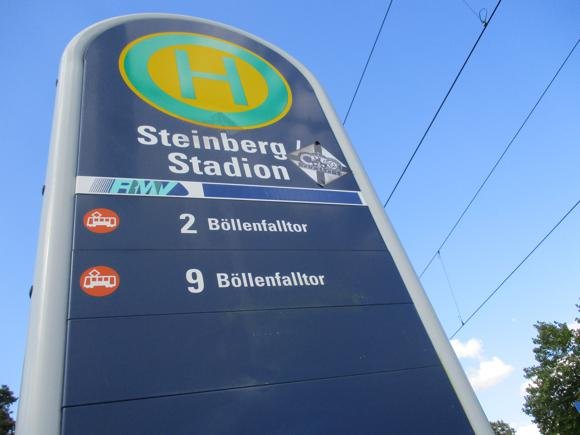
Leipzig city transport consists of trams and buses. A journey of four stops (Kurzstrecke) is €1.80, a single valid for 1hr (suitable between station and stadium) is €2.60. 24hr day pass is €7.20. Buy tickets from machines at stops and validate them in the stamper alongside.
Long-established Löwentaxi (+49 341 98 22 22) are perfectly located, halfway between the station and the stadium. A transfer from the airport to either should be in the region of €40.
Where to Drink
The best pubs and bars for football fans


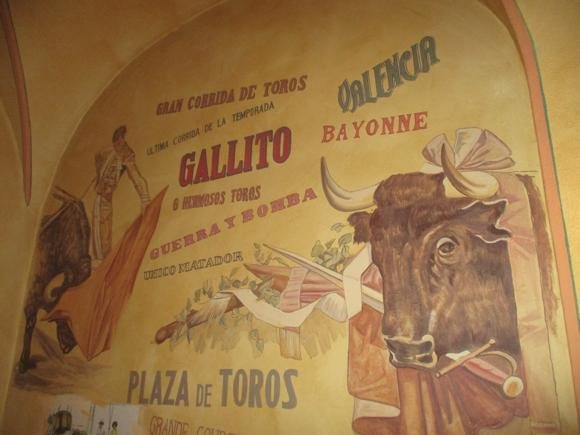

The local beer is Ur-Krostitzer, the local bar hub is pedestrianised Barfüßgäschen, just off the main square of Marktplatz.
On one side, Barfusz is an all-purpose nightspot open until 3am at weekends, on the other, Bellini’s mixes cocktails and the Kildare City Pub pours pints and screens matches.
Round the corner on Klostergasse, the Café Madrid dedicates its Siesta Bar to TV football and has the good sense to provide German Paulaner on draught and leave the Spanish beer for the fridge.
There’s another faux pub on Ritterstraße, the 25-year-old Morrison’s. If you’re after authenticity, the Brauhaus an der Thomaskirche brews its own according to the legendary purity laws of 1516.


Convincing candidate for best bar in town, certainly the most unusual, the Haifischbar, where Brühl meets Große Fleischergasse is a cult spot, choosy about the rock ‘n’ roll it plays, with a TV and cocktail deals. It’s squeezed between a tattoo parlour and strip club, but don’t let that put you off. On Brühl itself, Emil & Moritz puts TV football on a par with open-plan, informal, creative dining while Champions at the Marriott is a US-style sports bar.
Arriving or leaving via the vast train station, raise a glass to Leipzig at the cosy Bierbar Gleis 8 on the upper level – it’s been there since the year dot, as have the staff and regulars. There’s a TV for football and plenty of conversation around the timeless bar counter.
Where to stay
The best hotels for the stadium and city centre


Leipzig Travel has a hotel database and online booking service.
The nearest lodging to the stadium is about 5-7min walk away, on residential Waldstraße with bars close to it, the Arena City Hotel. Upper mid-range with breakfast (€12.50) extra, it has a sauna, bar and restaurant.
Leipzig station is ideally located for both stadium and town. Among the many hotels there, the 288-room Park Hotel is directly opposite as you come out of the station building, bright and modern, with its own sauna, whirlpool, small gym and restaurant.
Alongside, upscale chain the Marriott contains a panoramic restaurant and the Champions sports bar, open to non-guests as well (see Where to drink).
On the stadium side of the station, the Fürstenhof is a five-star deluxe with a pool – and a century of hospitality behind it. On the other side, Victor’s Residenz-Hotel exudes old-school charm.



A short walk from the station towards town, the B&B Leipzig-City is a convenient, modern budget-chain option. The nearby Motel One Leipzig-Nikolaikirche is similar, a slight notch above, with a stylish bar.
Right in town, by the bar strip of Barfüßgäschen, the Five Elements Hostel offers cheap private en-suite bedrooms as well as dorms – a handy compromise for the wallet-conscious.
Another good choice for bar-hoppers is the Aparion Apartments, directly opposite Morrison’s Irish bar, with kitchenettes. Units can be rented out by the night, €60/two people a bargain.
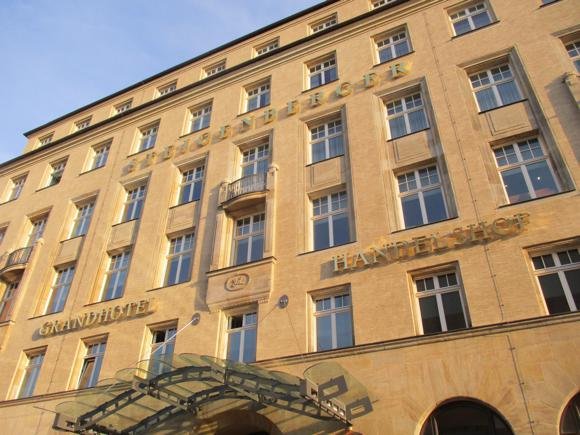
By Marktplatz, the Steigenberger Grandhotel Handelshof is another of Leipzig’s classy establishments, elegant but relatively affordable with online deals – particularly given the two-floor premium spa.
At the main square of Augustusplatz, the Radisson Blu Leipzig is a business-friendly choice with great views of local landmarks.
Finally, for history buffs and those with a yen to visit Lokomotive Leipzig over the road, the Brauhaus Napoleon offers nine comfortable rooms and classic German hospitality in the inn where Prussian and Russian officers lodged before routing Napoleon nearby. Literally next door to the Lokomotive ground, the Parkhotel Diani provides mid-range conviviality.
" ["post_title"]=> string(7) "Leipzig" ["post_excerpt"]=> string(0) "" ["post_status"]=> string(7) "publish" ["comment_status"]=> string(6) "closed" ["ping_status"]=> string(4) "open" ["post_password"]=> string(0) "" ["post_name"]=> string(7) "leipzig" ["to_ping"]=> string(0) "" ["pinged"]=> string(0) "" ["post_modified"]=> string(19) "2022-09-26 17:32:52" ["post_modified_gmt"]=> string(19) "2022-09-26 17:32:52" ["post_content_filtered"]=> string(0) "" ["post_parent"]=> int(0) ["guid"]=> string(36) "https://old.liberoguide.com/?p=21857" ["menu_order"]=> int(0) ["post_type"]=> string(4) "post" ["post_mime_type"]=> string(0) "" ["comment_count"]=> string(1) "0" ["filter"]=> string(3) "raw" } [1]=> object(WP_Post)#4805 (24) { ["ID"]=> int(21226) ["post_author"]=> string(1) "3" ["post_date"]=> string(19) "2016-12-18 00:30:40" ["post_date_gmt"]=> string(19) "2016-12-18 00:30:40" ["post_content"]=> string(18710) "Teams, tales and tips – a guide to the local game
The miracle of Darmstadt is that a modest local club full of football passion can compete at the highest level with huge, corporate entities such as Bayern Munich – and survive. So far, at least. Promoted to the Bundesliga in 2015, SV Darmstadt 98 kept their heads above water in their debut season while traditional clubs such as Stuttgart and Hannover floundered. Unlike fellow newcomers of 2015-16, Ingolstadt, Darmstadt have no wealthy backers. Just look around their ground, a no-frills facility of bare, stepped terracing and crash barriers, something that may have hosted a mid-ranking GDR league game in the 1970s. No other top-flight stadium in the modern-day Bundesliga, opened shortly after World War I, would still be sitting in this un-reconstituted condition.


Getting Around
Arriving in town, local transport and timings
Where to Drink
The best pubs and bars for football fans




Where to stay
The best hotels for the stadium and city centre


Teams, tales and tips – a guide to the local game
Home of Audi in the very heart of Bavaria, Ingolstadt was more an ice hockey town than a football one – until 2015. FC Ingolstadt 04 – the number a reference to the year, 2004, when the club was created from the merger of two long-established, low-standing ones – entered the Bundesliga in 2015-16 after five years in the Zweite. Perhaps even more surprisingly, die Schanzer stayed up, achieving a comfortable mid-table position above local rivals Augsburg. Like Augsburg, Ingolstadt has only seen such success in recent seasons. Like Augsburg, Ingolstadt has a century-long tradition in football, but it’s a history of smaller local teams pootling along at, mainly, regional level, until a merger galvanised one single club.

Getting Around
Arriving in town, local transport and timings


Where to Drink
The best pubs and bars for football fans





Where to stay
The best hotels for the stadium and city centre


Teams, tales and tips – a guide to the local game
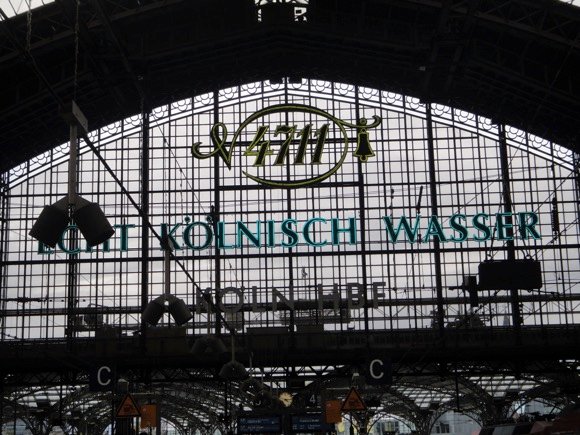
In 2017, the party-mad tourist mecca of Cologne celebrated the return of European football after 25 years. Fans of flagship club and three-time German champions 1.FC Köln swarmed Arsenal’s Emirates Stadium, an invasion of some 20,000 causing kick-off of the Europa League tie to be delayed by an hour. An early goal by new signing Jhon Cordoba saw outbursts of celebration all round the ground until order was restored and the visitors return to the Rhineland with no points and a hangover. Despite Köln’s 25-year absence from the European limelight, the passion had never really dimmed. The season that Köln regained top-flight status in 2013-14, crowds at the RheinEnergieStadion averaged a near capacity 49,000, a figure that has barely wavered since. The man who took Köln up, former Austrian international Peter Stöger, then steered the Billy Goats to fifth place in 2016-17. The distraction of European football led to a dreadful start to the 2017-18 campaign but even if Köln stride out in the Zweite in 2018-19, support will barely diminish.




Getting Around
Arriving in town, local transport and timings

Where to Drink
The best pubs and bars for football fans


Where to stay
The best hotels for the stadium and city centre



Teams, tales and tips – a guide to the local game
Walking around the pleasant, mainly pedestrianised centre of Paderborn, an hour east of Dortmund in North-Rhine Westphalia, and you’d be forgiven for not noticing that flagship club SC Paderborn 07 recently spent a year in the most popular league in Europe. Arrive somewhere like Vitoria-Gasteiz, Ferrara or Brighton soon after a top-flight promotion, and flags, posters and scarves in bars and shop windows demonstrate local pride, a sense of shared achievement. Here, around focal Markt, tacky Marienstraße and busy Kamp, few businesses sport the signature blue, white and black of SC Paderborn. Nearby Bielefeld, whose Arminia have more than a century of tradition, don’t even consider Paderborn rivals – that honour goes to Prueßen Münster.

Getting Around
Arriving in town, local transport and timings

Where to Drink
The best pubs and bars for football fans




Where to stay
The best hotels for the stadium and city centre


Teams, tales and tips – a guide to the local game
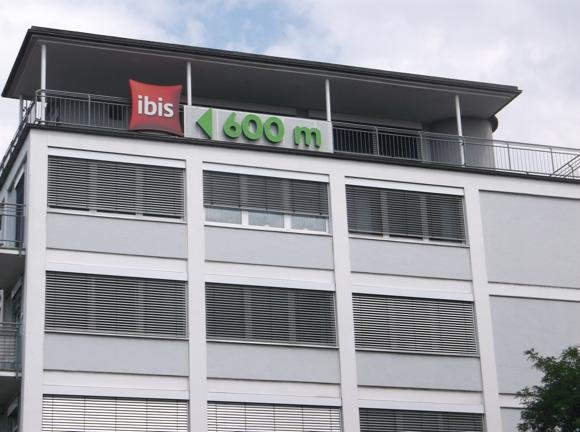
A town founded for the workers of the omnipotent Volkswagen car factory, Wolfsburg – and its VfL club – are one of the most successful examples of works teams in world football. German champions in 2009, Wolfsburg have been ever-present in the Bundesliga for the best part of two decades, recently gaining more European experience than some of the biggest names in the German game. Bisected by a canal that runs past the Volkswagen plant and the nearby modern stadium the company built, along with the club, Wolfsburg is a surprisingly pleasant town of 120,000 people, with a busy, pedestrianised centre of shops and bars.


Getting Around
Arriving in town, local transport and timings

Where to Drink
The best pubs and bars for football fans




Where to stay
The best hotels for the stadium and city centre




Teams, tales and tips – a guide to the local game
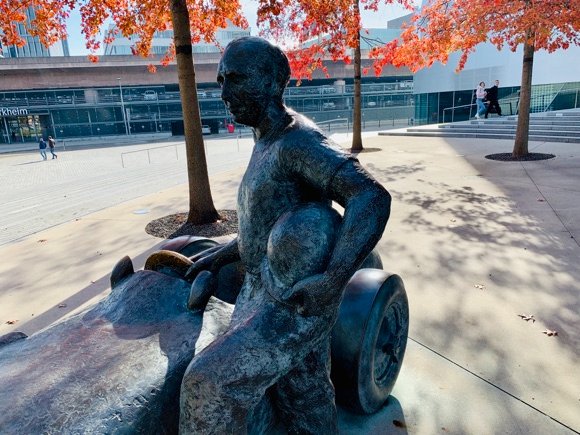
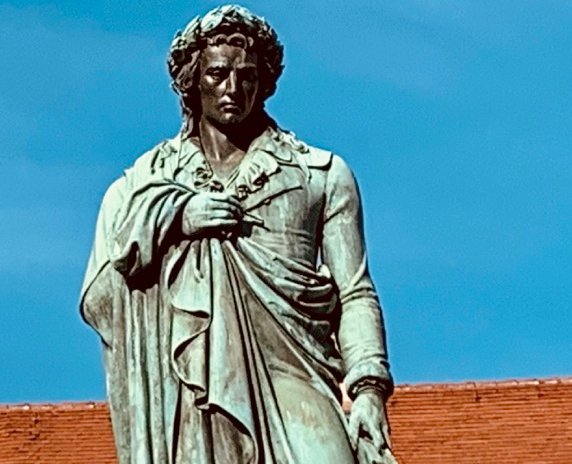
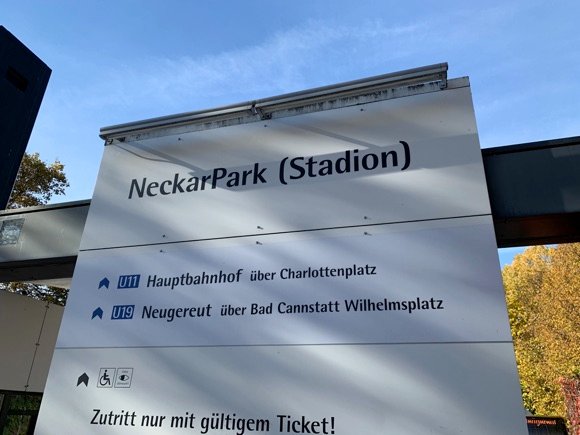
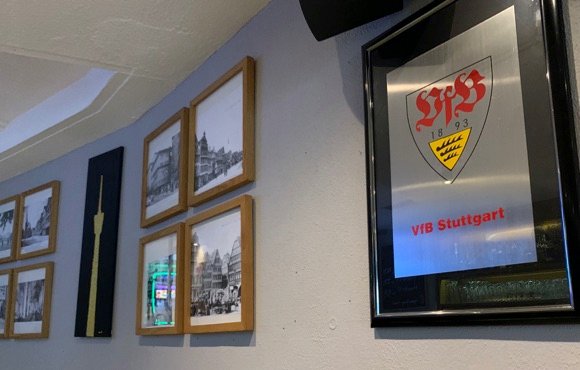
Germany’s motor city of Stuttgart is home to the Mercedes-Benz Arena and VfB Stuttgart, five-time title-winning football power of south-western Germany. Formerly the Gottlieb-Daimler-Stadion, the Mercedes-Benz-Arena is set in the old spa suburb of Bad Cannstatt, a leafy recreation area by a bend in the Neckar river that lent the venue the first of its post-war names. This is where West Germany played their first post-war international in 1950 and, 40 years later, celebratory match to mark Reunification, each time against Switzerland.





Getting Around
Arriving in town, local transport and timings

Where to Drink
The best pubs and bars for football fans








Where to stay
The best hotels for the stadium and city centre





Teams, tales and tips – a guide to the local game
Bavaria’s second largest city and de facto capital of the Holy Roman Empire, Nuremberg is commonly linked in the public imagination as the site of the Nazi rallies in the 1930s. Its football history dates back to May 1900 when 1. FC Nürnberg were founded at the Zur Burenhütte pub on Deutschherrnwiese, just over the river west of the city centre. So dominant was the city’s flagship club in the period after World War I that FCN are known, quite simply, as ‘Der Club’. FCN had no cross-city rivals, only an age-old enmity with nearby Greuther Fürth, and one so strong that players on the national side refused to share train carriages. The two clubs dominated the North Bavarian Championship until the Nazis took over football in 1933.


Getting Around
Arriving in town, local transport and timings


Where to Drink
The best pubs and bars for football fans


Where to stay
The best hotels for the stadium and city centre






Teams, tales and tips – a guide to the local game
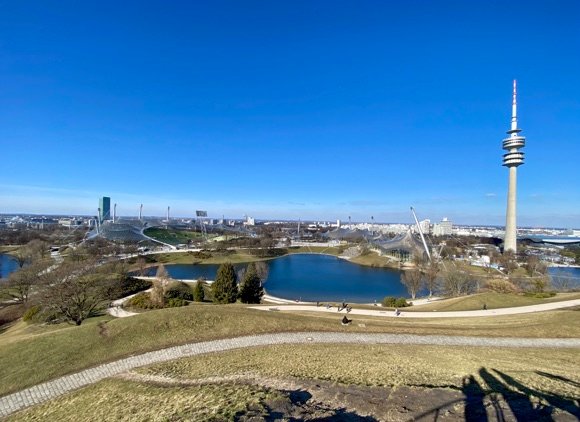
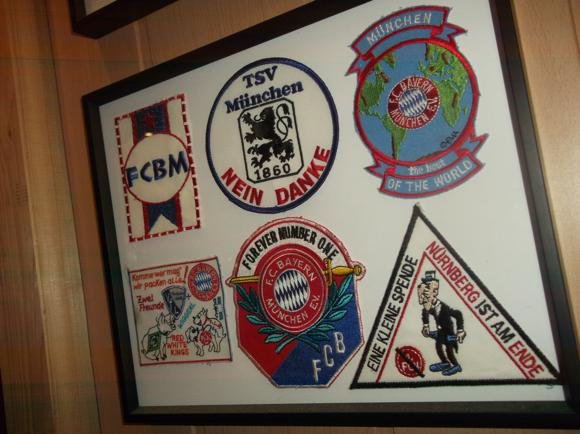
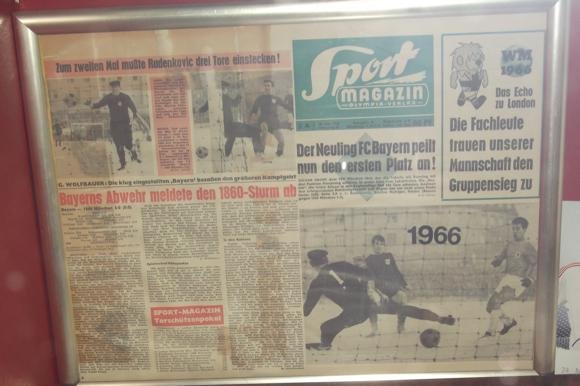
Munich, home of 2021 European champions Bayern, embraces every German cliché. Bavarians in lederhosen and shaving-brush hats rub shoulders on the terraces with equally unfashionable denim-jacketed rockers with sew-on badges. The stage, though, is the sleek, contemporary Allianz-Arena, until recently also groundshared by TSV 1860. The groundbreaking Allianz is an arena of international importance, stage for the opening match of the 2006 World Cup, the Champions League Final of 2012, in which Chelsea overcame Bayern on penalties, and the quarter-finals of Euro 2020. It will also co-host Euro 2024. Its predecessor, the Olympiastadion, was where Beckenbauer’s West Germany beat Cruyff’s Holland in the 1974 World Cup Final.




Getting Around
Arriving in town, local transport and timings

Where to Drink
The best pubs and bars for football fans





Where to stay
The best hotels for the stadium and city centre



Teams, tales and tips – a guide to the local game
The modest community of Mönchengladbach is known for one thing, and one thing only: Borussia. Up until 1960, the year the equally modest Borussia won the German Cup, this town halfway between Düsseldorf and the Dutch border was called Mönchen Gladbach, before that München-Gladbach. Most still refer to the town as ‘Gladbach’. The name simplification came as both Borussia and another force were emerging in the newly professional German game, Bayern München. Borussia, under legendary coach Hennes Weisweiler, would challenge the Bavarians for the Bundesliga title. Between 1969 and 1977, the title went nowhere but Mönchengladbach or Munich, and everyone in the Europe game got to know this little town with the 15-letter name.


Getting Around
Arriving in town, local transport and tips


Where to Drink
The best pubs and bars for football fans




Where to stay
The best hotels for the stadium and town centre


Teams, tales and tips – a guide to the local game
Just before Christmas 2016, RB Leipzig went to Munich for a top-of-the-table showdown. Bayern had led the league from August, Leipzig had nipped in during November. Later that season, the club became the first from former East Germany to qualify for Europe since 2001.
The last time a team from Leipzig was crowned all-German champions was 1913. Even in the post-war era, when Leipzig was the second biggest city in the German Democratic Republic (GDR), its main club, Lokomotive, never won the national league, the DDR-Oberliga.
Leipzig is the cradle of German football. In 1900, the German FA, the DFB, were founded at the Mariengarten restaurant, Büttnerstraße 10. A plaque marks where the building once stood. Three years later, VfB Leipzig became Germany’s first champions, winning the title again ten years later.
In 2016, with all the local hullabaloo created by RB Leipzig, it was proposed that a DFB Museum should open on Büttnerstraße.
When RB Leipzig strode out against Bayern for that head-to-head clash of 2016, it had been 25 years since the last DDR-Oberliga. During that time, asphyxiated by the new economic reality, star players sold to savvier, richer clubs in former West Germany, the old giants of the GDR had wilted and disappeared – including Lokomotive, revived by fans as 1.FC Lokomotive Leipzig in 2004.
Surely then, given Bayern’s monopoly of the German game and the long absence of former GDR clubs at top level, the remarkable rise and unexpected title challenge of a team from Leipzig would have been cause for celebration?
Not at all. Because, natürlich, RB Leipzig are not from the home of Bach, Wagner and Mahler, but Markranstädt, a small town 10km south-west of Saxony’s largest city.
RB Leipzig are a vehicle for Red Bull, with stablemates in Salzburg and New York. Unable to be as flagrant about its brand in Germany, the crafty Austrian energy-drink giant called its new club RasenBallsport (‘Lawn Ball Sport’: RB) and plastered its charging bull logo everywhere.
Dietrich Mateschitz is the billionaire co-founder of Red Bull and brains behind its football operations in Austria and the US. Germany being his next move, he sought advice from Franz Beckenbauer as to where best site this crucial investment. Der Kaiser had only one answer: Leipzig.
This wasn’t only because of the city’s unique soccer heritage. As chairman of the organising committee for the 2006 World Cup, Beckenbauer had also overseen the inclusion of Leipzig and its Socialist-built Zentralstadion among the 12 host venues. The other 11 were all in former West Germany.
The Zentralstadion was the national stadium of the GDR, built by thousands of volunteers using rubble from a city devastated by Allied bombing. Without the Nazi overtones of the Olympic Stadium in Berlin, although originally sketched out by the same architect, Werner Marsch, it had attracted attendances of 110,000 for East Germany internationals.
Fallen into disuse after 1989, the old stadium was knocked down but its exterior, Socialist statuary and all, was kept when the new arena was built around it in the early 2000s. First hosting the Confederations Cup in 2005, it staged five games for the 2006 World Cup, most notably the epic Latin battle between Argentina and Mexico.
That same year, Red Bull’s Mateschitz began sniffing around Germany for a small club to piggyback for its football licence. The obvious option, as Beckenbauer pointed out, was Sachsen Leipzig.
The choice was both historical and logistical. As the pre-1990 BSG Chemie Leipzig, they not only had ties with seminal Britannia Leipzig formed in 1899 and their successor, TuRa Leipzig of the Nazi era, but they had been East German champions in the early days and still had something of a fan base.
Struggling on post-Unification as Sachsen Leipzig, the club had one crucial element in its favour: film mogul and entrepreneur Michael Kölmel.
Main sponsor of Sachsen Leipzig, Kölmel had won the contract to rebuild the Zentralstadion and raised nearly a quarter of its €90 million conversion costs.
Kölmel was very keen on the Red Bull takeover. Sachsen Leipzig fans were not. The deal fell through and Sachsen were dissolved in 2011.
The waters had been muddied by the creation of another BSG Chemie Leipzig in 1997, who then rose through the local leagues to face Sachsen in the regional Saxony league.
Now the sole heir of BSG Chemie, the club is based at the same Alfred-Kunze-Sportpark where the East German title was won in 1951 and 1964. Over the water from the former Zentralstadion, the ground is in Leipzig-Leutzsch, close to the S-Bahn station and 7 tram stop of the same name, the line also passing by the main football arena.
In 2016, BSG Chemie won the Sachsenliga to gain promotion to the fourth-tier NOFV-Oberliga. This would have set up league fixtures with local rivals Lokomotive – only at the same time, the former railway club won the NOFV-Oberliga title of 2016 and now play in the third-flight Regionalliga Nordost.
Currently featuring Dynamo Berlin, this league became the boneyard of fallen GDR giants after Unification.
With links back to inaugural German champions VfB, Lokomotive had also played at the Zentralstadion – shortly after their reformation in 2004, ‘Loksche’ set a record attendance for a local-league match when 12,421 watched them play Eintracht Großdeuben reserves. This, indeed, is a city built on football.
Now based at the Bruno-Plache-Stadion in Probstheida, close to where Napoleon lost a huge land battle in 1813, Loksche are another former GDR giant currently reawakening. Take tram 15 12 stops from the train station to Probtsheida – the ground is a short walk down Connewitzer Straße, on the left.
Rejected by Sachsen Leipzig, embraced by Markranstädt, RB Leipzig moved into the Zentralstadion in 2010. Six years later, 24 hours after a 3-0 defeat at Bayern, RB Leipzig announced that they had reached agreement with Michael Kölmel and had bought the Zentralstadion. And, of course, renamed it. All the Red Bull Arena needed was regular European football...
[mapsmarker map="281"]Getting Around
Arriving in town, local transport and timings
Leipzig/Halle Airport is 27km (17 miles) north-west of Leipzig. An S-Bahn or inter-city train runs every 15-20mins to Leipzig Hauptbahnhof main station (15-20min journey time, €6). A frequent train from Berlin takes 1hr 15mins, advance single around €25.
Leipzig Hauptbahnhof is close to the city centre a short walk away and well connected for trams, including regular services to the Red Bull Arena.
Leipzig city transport consists of trams and buses. A journey of four stops (Kurzstrecke) is €1.80, a single valid for 1hr (suitable between station and stadium) is €2.60. 24hr day pass is €7.20. Buy tickets from machines at stops and validate them in the stamper alongside.
Long-established Löwentaxi (+49 341 98 22 22) are perfectly located, halfway between the station and the stadium. A transfer from the airport to either should be in the region of €40.
Where to Drink
The best pubs and bars for football fans
The local beer is Ur-Krostitzer, the local bar hub is pedestrianised Barfüßgäschen, just off the main square of Marktplatz.
On one side, Barfusz is an all-purpose nightspot open until 3am at weekends, on the other, Bellini’s mixes cocktails and the Kildare City Pub pours pints and screens matches.
Round the corner on Klostergasse, the Café Madrid dedicates its Siesta Bar to TV football and has the good sense to provide German Paulaner on draught and leave the Spanish beer for the fridge.
There’s another faux pub on Ritterstraße, the 25-year-old Morrison’s. If you’re after authenticity, the Brauhaus an der Thomaskirche brews its own according to the legendary purity laws of 1516.
Convincing candidate for best bar in town, certainly the most unusual, the Haifischbar, where Brühl meets Große Fleischergasse is a cult spot, choosy about the rock ‘n’ roll it plays, with a TV and cocktail deals. It’s squeezed between a tattoo parlour and strip club, but don’t let that put you off. On Brühl itself, Emil & Moritz puts TV football on a par with open-plan, informal, creative dining while Champions at the Marriott is a US-style sports bar.
Arriving or leaving via the vast train station, raise a glass to Leipzig at the cosy Bierbar Gleis 8 on the upper level – it’s been there since the year dot, as have the staff and regulars. There’s a TV for football and plenty of conversation around the timeless bar counter.
Where to stay
The best hotels for the stadium and city centre
Leipzig Travel has a hotel database and online booking service.
The nearest lodging to the stadium is about 5-7min walk away, on residential Waldstraße with bars close to it, the Arena City Hotel. Upper mid-range with breakfast (€12.50) extra, it has a sauna, bar and restaurant.
Leipzig station is ideally located for both stadium and town. Among the many hotels there, the 288-room Park Hotel is directly opposite as you come out of the station building, bright and modern, with its own sauna, whirlpool, small gym and restaurant.
Alongside, upscale chain the Marriott contains a panoramic restaurant and the Champions sports bar, open to non-guests as well (see Where to drink).
On the stadium side of the station, the Fürstenhof is a five-star deluxe with a pool – and a century of hospitality behind it. On the other side, Victor’s Residenz-Hotel exudes old-school charm.
A short walk from the station towards town, the B&B Leipzig-City is a convenient, modern budget-chain option. The nearby Motel One Leipzig-Nikolaikirche is similar, a slight notch above, with a stylish bar.
Right in town, by the bar strip of Barfüßgäschen, the Five Elements Hostel offers cheap private en-suite bedrooms as well as dorms – a handy compromise for the wallet-conscious.
Another good choice for bar-hoppers is the Aparion Apartments, directly opposite Morrison’s Irish bar, with kitchenettes. Units can be rented out by the night, €60/two people a bargain.
By Marktplatz, the Steigenberger Grandhotel Handelshof is another of Leipzig’s classy establishments, elegant but relatively affordable with online deals – particularly given the two-floor premium spa.
At the main square of Augustusplatz, the Radisson Blu Leipzig is a business-friendly choice with great views of local landmarks.
Finally, for history buffs and those with a yen to visit Lokomotive Leipzig over the road, the Brauhaus Napoleon offers nine comfortable rooms and classic German hospitality in the inn where Prussian and Russian officers lodged before routing Napoleon nearby. Literally next door to the Lokomotive ground, the Parkhotel Diani provides mid-range conviviality.
" ["post_title"]=> string(7) "Leipzig" ["post_excerpt"]=> string(0) "" ["post_status"]=> string(7) "publish" ["comment_status"]=> string(6) "closed" ["ping_status"]=> string(4) "open" ["post_password"]=> string(0) "" ["post_name"]=> string(7) "leipzig" ["to_ping"]=> string(0) "" ["pinged"]=> string(0) "" ["post_modified"]=> string(19) "2022-09-26 17:32:52" ["post_modified_gmt"]=> string(19) "2022-09-26 17:32:52" ["post_content_filtered"]=> string(0) "" ["post_parent"]=> int(0) ["guid"]=> string(36) "https://old.liberoguide.com/?p=21857" ["menu_order"]=> int(0) ["post_type"]=> string(4) "post" ["post_mime_type"]=> string(0) "" ["comment_count"]=> string(1) "0" ["filter"]=> string(3) "raw" } ["comment_count"]=> int(0) ["current_comment"]=> int(-1) ["found_posts"]=> int(23) ["max_num_pages"]=> int(3) ["max_num_comment_pages"]=> int(0) ["is_single"]=> bool(false) ["is_preview"]=> bool(false) ["is_page"]=> bool(false) ["is_archive"]=> bool(true) ["is_date"]=> bool(false) ["is_year"]=> bool(false) ["is_month"]=> bool(false) ["is_day"]=> bool(false) ["is_time"]=> bool(false) ["is_author"]=> bool(false) ["is_category"]=> bool(true) ["is_tag"]=> bool(false) ["is_tax"]=> bool(false) ["is_search"]=> bool(false) ["is_feed"]=> bool(false) ["is_comment_feed"]=> bool(false) ["is_trackback"]=> bool(false) ["is_home"]=> bool(false) ["is_privacy_policy"]=> bool(false) ["is_404"]=> bool(false) ["is_embed"]=> bool(false) ["is_paged"]=> bool(false) ["is_admin"]=> bool(false) ["is_attachment"]=> bool(false) ["is_singular"]=> bool(false) ["is_robots"]=> bool(false) ["is_favicon"]=> bool(false) ["is_posts_page"]=> bool(false) ["is_post_type_archive"]=> bool(false) ["query_vars_hash":"WP_Query":private]=> string(32) "0ed096dee3494dda7fa3253d3e513172" ["query_vars_changed":"WP_Query":private]=> bool(false) ["thumbnails_cached"]=> bool(false) ["allow_query_attachment_by_filename":protected]=> bool(false) ["stopwords":"WP_Query":private]=> NULL ["compat_fields":"WP_Query":private]=> array(2) { [0]=> string(15) "query_vars_hash" [1]=> string(18) "query_vars_changed" } ["compat_methods":"WP_Query":private]=> array(2) { [0]=> string(16) "init_query_flags" [1]=> string(15) "parse_tax_query" } ["query_cache_key":"WP_Query":private]=> string(41) "wp_query:2c4f2285167bba74acf0be715c0a4656" }