


Danish city welcomes restart with all to play for
Teams, tales and tips – a guide to the local game
The status of Copenhagen as an international venue – co-host of Euro 2020, stage for two European club finals, both involving Arsenal – is aided by the proximity of the somewhat functional national stadium, Parken, to the city centre. Add its lively bars, lashings of Carlsberg and excellent transport connections, and the Danish capital can be considered one of the best, if priciest, destinations to travel with your team.
Thanks to the regular progress of flagship club and 2019 champions FC Copenhagen (FCK), who groundshare Parken with the national side, it’s a journey that fans of Leicester, Ajax and Atlético Madrid have made in recent seasons. FCK have become a Europa League mainstay with frustrated Champions League ambitions.
In 2017, a silly away goal conceded to Qarabag at Parken allowed the visitors to become the first Azerbaijani side to go into the prestigious draw in Monaco. The 2019-20 season saw a dramatic, rain-sodden defeat to ten-man Red Star Belgrade on penalties.
This was nothing compared to the drama when key midfielder Christian Eriksen collapsed during Denmark's opening game against Finland at Euro 2020. Although Parken was only a third full, spectators, players, media and officials urged as one for the Inter star to pull through as medics rushed to the scene. His recovery galvanised a shaken Danish side to beat all the odds and reach the semi-final of the tournament after Parken burst into life for the subsequent group matches.

Formed the same year that Parken opened (and Denmark became shock European champions), 1992, FCK are far and away the most successful Danish club of the modern era, four campaigns spent at the Champions League group stage. Before then, it had taken decades for Danish clubs to make any sort of impact upon European football, evidence of the amateur nature of the game here rather than its long heritage.
When KB – now a part of FCK – took up the sport in 1879, they were the first football club on continental Europe. Up to the 1950s, all titles were shared between the capital’s big five: KB, B93, AB, Frem and B1903, proud amateur clubs all, with cavalier, old-fashioned attitudes, sharing the municipal Idraetspark. By the time professional football came in, as late as 1978 (!), the big five had fallen far behind suburban contenders such as Hvidovre and Lyngby.
The real breakthrough came from Brøndby IF, from the unfashionable suburb of Brøndbyerne west of Copenhagen. The first club to go full-time professional and the first to float on the stock exchange, Brøndby were the first to make a real impression in Europe, culminating in a UEFA Cup run that took them to within minutes of a final in 1991 – with a team featuring stars from Denmark’s shock Euro 92 win the following year.

But even by then, bad business decisions had almost sunk pioneering Brøndby. Meanwhile, at the newly built Parken stadium, FC Copenhagen were established as a merger between KB and B1903. B1903 had the players, KB had the dormant fan base, and the new national stadium needed a league club as tenants. Brøndby rivals FCK bought the Parken and brought in Roy Hodgson as coach to win the title in 2001.
Brøndby fought back to win the double under Michael Laudrup in 2005 – their last truly great side. Days away from bankruptcy in 2013, Brøndby have returned, initially thanks to new owner Jan Bech Andersen personally bankrolling the return of local hero Daniel Agger from Liverpool. A major resurgence came with the arrival of German manager Alexander Zorniger, who took Brøndby to two consecutive runners-up spots.
The second one, in 2018, was a heartbreaker. Five points up with four rounds to go, Brøndby managed to leave the title to FC Midtjylland, decisively throwing away a two-goal lead at Horsens – the equaliser coming in the sixth minute of stoppage time. Attracting average gates just below FCK’s at Parken, the Brøndby Stadion is also used by Denmark for friendly matches – it was here that a 17-year-old Aaron Ramsey made his debut for Wales in 2008.
European competitors in 2017-18 for the first time this century, but ever beset by financial problems, Lyngby Boldklub returned to the top flight in 2019. They play at the shabby old Lyngby Stadion – get there by S-train to Lyngby, then a ten-minute walk north via Toftebaeksvej.

Copenhagen’s steady presence in the second tier, resolutely working-class Fremad Amager, have never won a national title, and their last top-flight campaign was in the 1990s. They go out of business from time to time, yet maintain a loyal local following. Currently under Monegasque ownership, they have been promised a new stadium – for the time being, get the 33 bus from Rådhuspladsen to ramshackle old Sundby Idrætspark on the eastern island of Amager.
The relegation of Akademisk Boldklub to the third tier in 2017 was another sad chapter in a great club’s recent history. AB were a dominant force in the amateur years and won nine titles up until 1967, but fell on hard times and moved to the suburbs in the 1970s. They play at the fine Gladsaxe Stadion – the 68 bus from Central Station stops right outside.
In the other group of the third-tier 2nd Division, the equally venerable B93 play at the Østerbro Stadion, next door to Parken. Their trophy cabinet also contains nine league crowns, won over 30 years between 1916 and 1946. The ground, meanwhile, is shared with BK Skjold, formed nearby back in 1915 and who run an impressive number of youth and veteran sides.
All tolled, including B93, the entire division is derby-heavy – eight of the 12 clubs in Group 1 are based in the capital. In Copenhagen’s suitably unglamorous north-west, Brønshøj Boldklub attract football romantics. BK Frem, a workers’ club from Valby south of the city centre, are another institution with a proud domestic history since fallen on hard times. HIK and Skovshoved hail from Gentofte, north of Copenhagen, while FA 2000 and Vanløse play in the western parts of town.
Way over in Farum, 20km from Copenhagen, FC Nordsjaelland only broke into the Superliga this century, their unexpected title win of 2012 granting them the right to be tonked by Chelsea, Juventus and Shakhtar Donetsk in the Champions League. Now UK-owned, they’re basically a talent production line, but the young, ever-changing side is still strong enough to regularly upset top sides – especially at home, on their widely unpopular artificial pitch.
[mapsmarker map="34"]Getting Around
Arriving in town, local transport and tips

Copenhagen Airport is 8km (five miles) south-east of the city, connected by regular metro to Nørreport (15 mins, 36Dkr) or rail to Central Station (15 mins, 36Dkr), both from terminal 3. A taxi (+45 35 35 35 35) to town should cost around 250Dkr.
The transport network of a two-line, 24-hour metro, buses and trains is accessed with a rejsekort smartcard. Anonymous cards are available from machines at Copenhagen Airport, Central Station and metro stations.
A one-day City Pass (main zones, 80Dkr) is also valid from the airport. There’s also a 48hr pass for 150Dkr, 72hr for 200Dkr, and longer periods. Passes are half-price for children under 16, free for up to two children under 12. The pass is ordered online and sent directly to your phone – proof of purchase is enough to show validity.
Where to Drink
The best pubs and bars for football fans


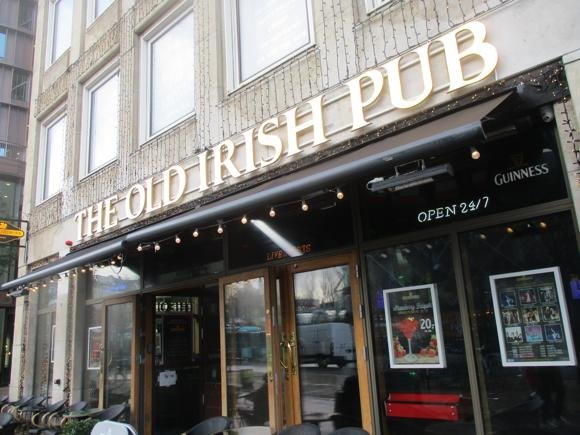


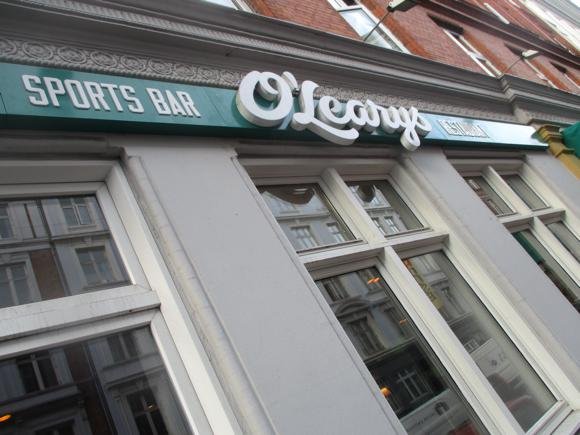

City of Carlsberg, Copenhagen is a real drinking town, with an abundance of pubs. Strolling out of Central Station, you immediately find the tourist-friendly Tivoli Biergarten and a row of football-focused pubs along Vesterbrogade: The Old English Pub, Rosie McGee’s, The Scottish Pub, The Irish Pub and, more Danish in tone with a range of sought-after beers, the Vesterbro Bryghus.
Round the corner on Jernbanegade, the Shamrock Inn also offers pool and table football. Also close, Pub & Sport on Vester Voldgade is a dependable choice to watch the match, as is the Copenhagen branch of the Scando-wide sports-bar chain O’Learys on Colbjørnsensgade.
Nearby, past the Planetarium on Gl Kongevej, Kennedy’s Irish Bar is another pub option while on the other side of the main square, Charlie Scott’s on Skindergade puts equal focus on live music and sport.


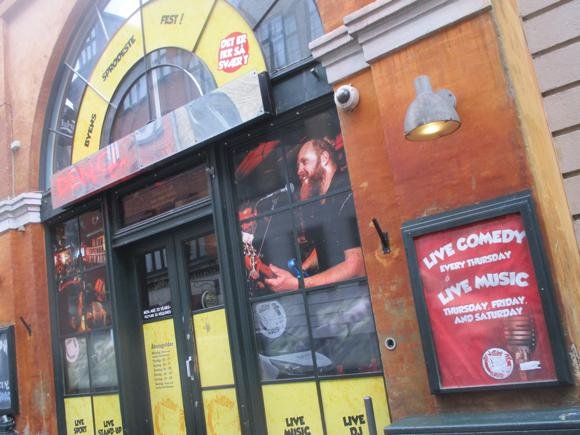


Around the corner from Nørreport Station, The Globe has screens of varying quality spread around the nooks and crannies on both floors. There’s a Sky feed in an easy-going atmosphere.
Also central, on narrow Lille Kannikestraede, the evening-only Den Glade Gris attracts a younger crowd with cheap pints (25Dkr!), live music and stand-up. ‘The Happy Pig’ is also the meeting point for Copenhagen’s Man United fraternity. Towards Christiansborg Palace at Amagertorv, football tourists gather at The Dubliner.
For something unique, the wonderful Jernbanecafeen, the ‘Railroad Pub’ beside Central Station on Reventlowsgade, has been pulling pints for 86 years to regulars and travellers in a homely, train-themed atmosphere. And not just any pints – sought-after ales from acclaimed Danish breweries and the in-house beer, whose sales are encouraged by the awarding of a laminated portrait to every loyal customer who downs 30 of them over time. Their satisfied faces dangle from the ceiling above animated pub chatter.
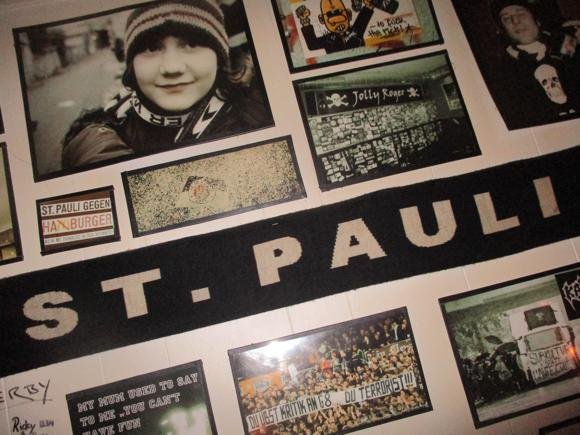
On the other side of the station, a revived neighbourhood being touted as Copenhagen’s Meatpacking District, trendy cafés and bars line Halmtorvet. Among them, the dive-like Bodega 54 plays up its St Pauli and punk credentials by showing all games from the Millerntor, filling the fridge with Dkr30 bottles of Astra from Hamburg and blaring out Peel-era tunes all night long.
Where to stay
The best hotels for the stadiums and city centre




The Copenhagen Tourist Office has a comprehensive hotel database. The Rye115, the closest to Parken, is family-run B&B down the quiet sidestreet of Ryesgade ten minutes’ walk from the stadium. Singles and doubles available.
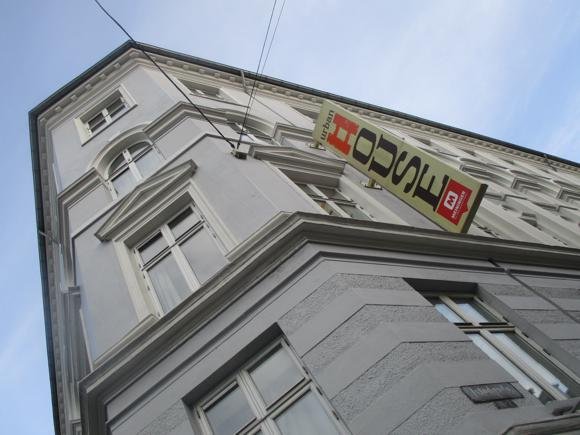
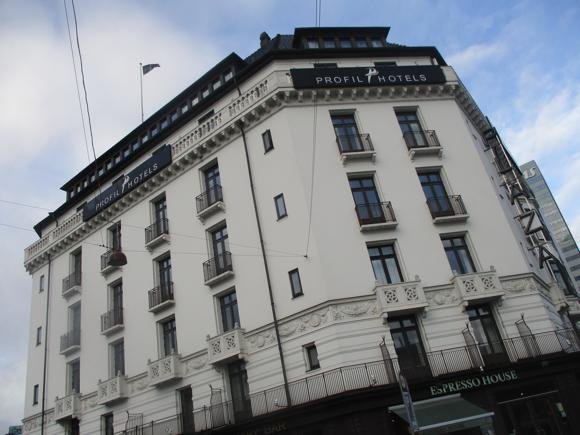
The ideal to base yourself otherwise is at Central Station, surrounded by some 20 hotels from high-end luxury to hostel. Almost every street has accommodation options along it – down Colbjørnsensgade you’ll find the affordable hotel/hostel hybrid Urban House by MEININGER, the mid-range Good Morning Copenhagen Star and the eco-friendly Axel Guldsmeden, with four penthouse suites, with a rooftop terrace and a hot tub, while closer to Tivoli on Bernstorffsgade, the Copenhagen Plaza dates back to 1913 and Nimb attracts high-paying guests with its pool, spa and Nordic-meets-East design.
It’s not all top dollar – on Istedgade, the Hotel Nebo proves that you can stay in downtown Copenhagen on the cheap if you’re willing to do without private facilities. The nearby Absalon offers contemporary comfort and, right alongside the station, the Astoria combines history with modern-day features and elevated views.


Gracing the skyline around it are Arne Jacobsen’s post-war classic Radisson Royal Copenhagen on Hammerichsgade, the sleek 1950s’ landmark Imperial, and the 18-floor Scandic Copenhagen. Over on Vesterbrogade, the Grand Hotel is a fin-de-siècle beauty, and on Studiestraede, the Ascot is set around elegant historic baths. The nearby Alexandra puts Danish design first while the First Hotel Kong Frederik has hosted film stars and royals.
Around the main square of Rådhuspladsen, The Square balances modern design with affordability, citizenM a few doors down delivers a 24/7 urban experience and the Scandic Palace has been the most sought-after hotel in town since opening in 1910.
Across the city, the 15-storey Danhostel Copenhagen City is a panoramic, five-star hostel by the harbour. Another good budget option is the small chain of Cab-Inn hotels: the one at Vodroffsvej 55 is near Forum metro station.
" ["post_title"]=> string(10) "Copenhagen" ["post_excerpt"]=> string(0) "" ["post_status"]=> string(7) "publish" ["comment_status"]=> string(6) "closed" ["ping_status"]=> string(6) "closed" ["post_password"]=> string(0) "" ["post_name"]=> string(10) "copenhagen" ["to_ping"]=> string(0) "" ["pinged"]=> string(0) "" ["post_modified"]=> string(19) "2022-10-11 07:37:34" ["post_modified_gmt"]=> string(19) "2022-10-11 07:37:34" ["post_content_filtered"]=> string(0) "" ["post_parent"]=> int(0) ["guid"]=> string(35) "https://old.liberoguide.com/?p=2655" ["menu_order"]=> int(0) ["post_type"]=> string(4) "post" ["post_mime_type"]=> string(0) "" ["comment_count"]=> string(1) "0" ["filter"]=> string(3) "raw" } [1]=> object(WP_Post)#4065 (24) { ["ID"]=> int(121) ["post_author"]=> string(1) "2" ["post_date"]=> string(19) "2013-10-16 02:07:12" ["post_date_gmt"]=> string(19) "2013-10-16 02:07:12" ["post_content"]=> string(16027) "Teams, tales and tips – a guide to the local game
If Genoa (or Turin) is the cradle of the modern Italian game, then Florence, home of flagship club Fiorentina, is its historic source. Calcio Fiorentino, a revival of Roman harpastum involving early, brutal forms of football/rugby, was played across 16th-century Italy. Piazza Santa Croce, where the game is still staged every June, was its Wembley.
Calcio gave its name to… calcio, the Italian name for modern-day football, but Florence lacked the industrial drive of Turin for the sport to develop.
Local expats were behind the first games in the early 1900s, at Campo di Marte and Quercione Park, between Florence Football Club, Firenze Football Club, Club Sportivo Firenze, Fiorentina Libertas and others. The latter two emerged and began playing more seriously, at via Bellini.


Four years later in 1926, the two merged to form Fiorentina at the instigation of young Tuscan noble, Marquis Luigi Ridolfi, the new club’s first president. That same year, Ridolfi became head of the local Fascist Federation, no coincidence. Ridolfi wanted Fascist dynamism to fire sporting excellence and challenge the big clubs of the north. Mussolini himself encouraged the merger.
The embodiment of Ridolfi’s dream was the groundbreakingly modernist stadium built at the Campo di Marte by revolutionary architect Pier Luigi Nervi. Still used by Fiorentina today, the later renamed Stadio Artemio Franchi retains its 1932 look thanks to a kind refit for Italia ’90. The athletics one alongside carries the name of Ridolfi. Ridolfi was also behind the Coverciano national training centre east of Campo di Marte, unveiled shortly after his death. The wonderful Museo del Calcio there is worth a visit – see below What to see.
Nervi’s masterpiece opened as the Stadio Comunale Giovanni Berta, named after a young Fascist activist thrown into the Arno by Communists in 1921.
A World Cup venue in 1934, the Comunale witnessed Fiorentina win the title in 1956 and again in 1969. The current Fiorentina usually finish there or thereabouts – more often, thereabouts.
[mapsmarker map="60"]Getting Around
Arriving in town, local transport and timings

Modest, underused Florence Airport is 8km (5 miles) north-west of town. Vueling has budget connections with Gatwick and Luton. A Volainbus (€6, €10 return, €1.20 extra for a day ticket) leaves every 30mins for Florence bus terminus via the main train station of Santa Maria Novella (Stazione Galleria stop, journey time 20-25mins). Ataf also runs city transport of buses and trams (singles €1.20, €2 on board, 24hr €5).
A taxi (+39 055 4390) to town (15mins) from Florence Airport should cost €20-€25.
Most visitors to Florence use Pisa Airport, 5km (3 miles) from downtown Pisa and 82km (50.5 miles) from Florence. A taxi (+39 050 541 600) to Pisa station is €10, about €150 to Florence. A bus (online €14) runs almost hourly from the airport to Florence Santa Maria Novella, journey time 70mins.
Where to Drink
The best pubs and bars for football fans
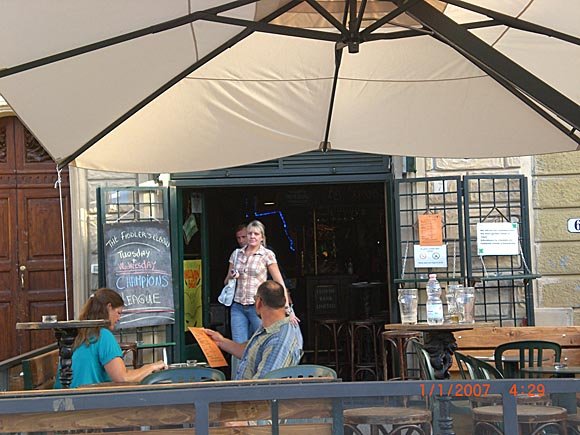
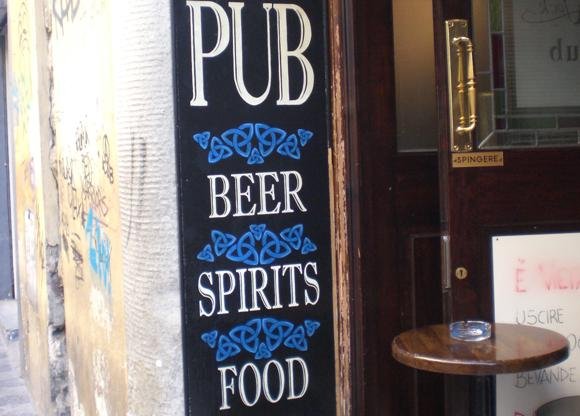


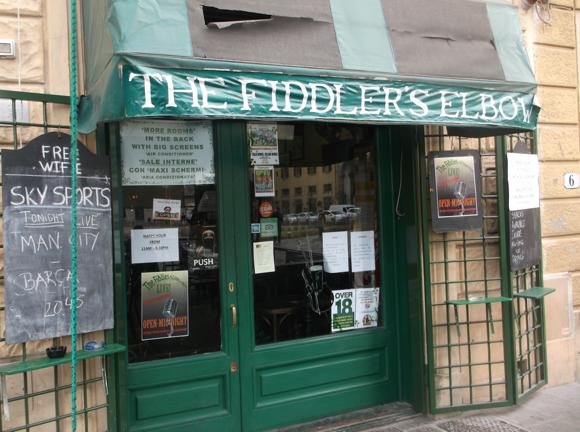


Expat magnet Florence is dotted with pubs. The first, near the station, was the Fiddler’s Elbow, with big-screen football and happy-hour beers. Nearby is the similarly sport-centric Lion’s Fountain. Finnegan is proudly Irish-owned.
The Old Stove on via Pellicceria covers all bases for pints and Prem coverage. The Tartan Jock offers McEwan’s on draught as well as live action; the James Joyce (Lugarno Cellini 1) posts up its TV schedule on the opposite riverbank.
Perhaps the best is Uncle Jimmy’s, mainly because it feels lived in but lively, has a different (and cheaper) Italian beer of the week (along with Dolomiti) and, judging by the sports tops and bikinis dangling from the ceiling, has seen its fair bit of fun. Big screen, too.
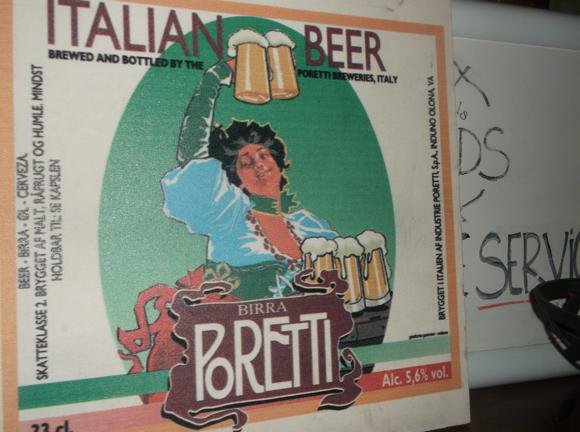

Of the Italian bars, FRienDS is just another faux pub with a piano player – Tucher and Poretti on draught are rare, though, and a Ponte Vecchio location means it’s busy. Watch out for the street number, No.51, set between No.27 and No.29.
The Totocalcio Viola Club near the Lion’s Fountain at piazza Salvemini 4 is a tiny betting shop with plenty of football talk and a pennant collection to die for. No drinks, though – it no longer functions as a bar.
Where to stay
The best hotels for the stadium and city centre


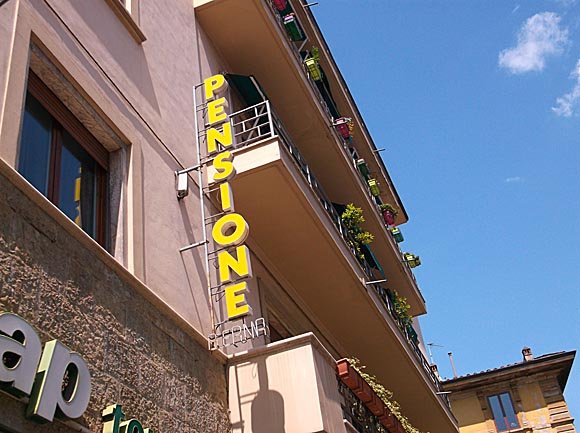


Florence Tourist Office has a hotel directory.
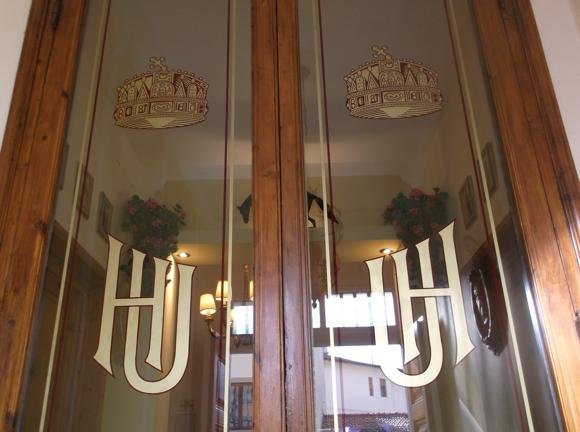
The nearest hotels to the stadium are the two-star Ungherese, the former home of a Magyar noblewoman, hence the portraits of Sissi and Rákóczi; and the grandiose Palazzo Lombardo, which modestly describes itself as a Guest House despite culturally themed rooms.
Tourist-swamped Florence is equally swamped with hotels. Near Santa Maria Novella, lodgings run from two-star Hotel Berna to top-notch Grand Hotel Baglioni Firenze. The Roma is also convenient, the Lombardia is slightly cheaper. The B4 Astoria Firenze is where Milton composed parts of Paradise Lost.
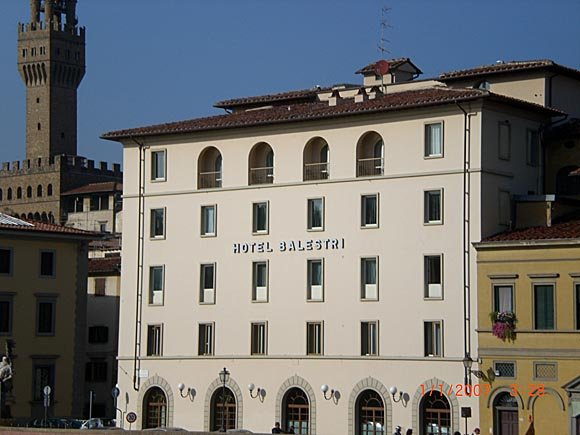
The riverside Balestri is a nice mid-range choice while the two-star Santa Croce is also near the Arno.
What to see
The top football attraction in town
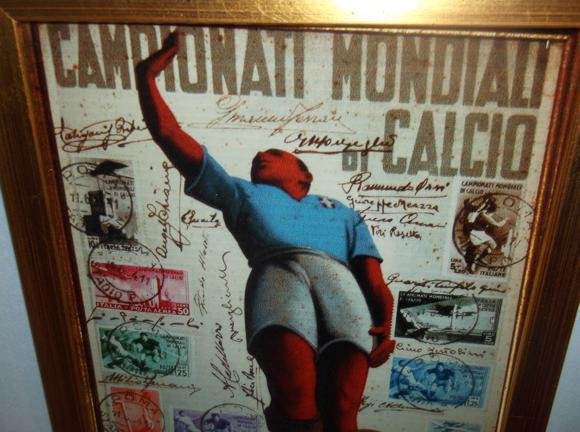


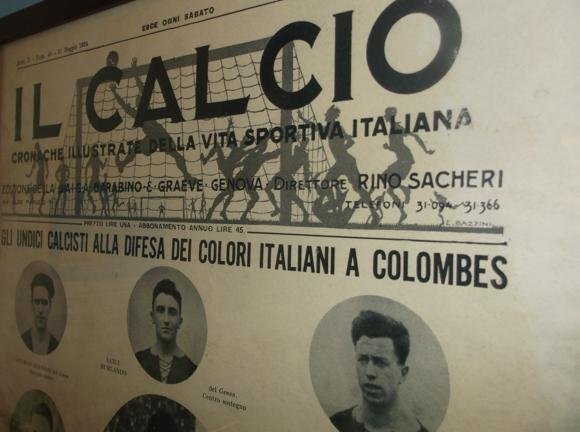
At Coverciano, a 15min walk down viale Duse from the stadium area, the Calcio Museum (Mon-Fri 9am-1pm, 3pm-7pm, Sat 9am-1pm; €7/€5 6-14s) is worth the trek. Ring the bell at the gate and an elderly guide/porter lets you in, then takes you across from his bookshop/ticket office to the museum building opposite. He then gives you a rapid spiel in Florentine-accented Italian.
You’re just worrying that you may have to concentrate really hard for the next hour, before he leaves you alone in the first room – alone with the World Cup trophies of 1934 and 1938, alone with Silvio Piola’s boots used to win the latter, signed postcards from the squad… and alone with three floors and several rooms of quite wonderful memorabilia related (mainly) to Italy’s proud campaigns in World Cups, European Championships and Olympic Games tournaments.
It’s not all cups and medals. One section is dedicated to the great Torino side of the late 1940s that perished in the Superga air disaster of 1949. Framed are the effects of defender Aldo Ballarin, shinpads and half-smoked packet of cigarettes, found amid the wreckage. Moving on, you’ll find the Olivetti Lettera 22 typewriter bashed out by the legendary Gianni Brera, for whom the phrase ‘doyen of Italian football writers’ was invented.
" ["post_title"]=> string(8) "Florence" ["post_excerpt"]=> string(0) "" ["post_status"]=> string(7) "publish" ["comment_status"]=> string(6) "closed" ["ping_status"]=> string(6) "closed" ["post_password"]=> string(0) "" ["post_name"]=> string(8) "florence" ["to_ping"]=> string(0) "" ["pinged"]=> string(0) "" ["post_modified"]=> string(19) "2022-10-11 17:31:41" ["post_modified_gmt"]=> string(19) "2022-10-11 17:31:41" ["post_content_filtered"]=> string(0) "" ["post_parent"]=> int(0) ["guid"]=> string(34) "https://old.liberoguide.com/?p=121" ["menu_order"]=> int(0) ["post_type"]=> string(4) "post" ["post_mime_type"]=> string(0) "" ["comment_count"]=> string(1) "0" ["filter"]=> string(3) "raw" } } ["post_count"]=> int(2) ["current_post"]=> int(-1) ["before_loop"]=> bool(true) ["in_the_loop"]=> bool(false) ["post"]=> object(WP_Post)#4290 (24) { ["ID"]=> int(2655) ["post_author"]=> string(1) "2" ["post_date"]=> string(19) "2013-10-22 15:57:23" ["post_date_gmt"]=> string(19) "2013-10-22 15:57:23" ["post_content"]=> string(32829) "Teams, tales and tips – a guide to the local game
The status of Copenhagen as an international venue – co-host of Euro 2020, stage for two European club finals, both involving Arsenal – is aided by the proximity of the somewhat functional national stadium, Parken, to the city centre. Add its lively bars, lashings of Carlsberg and excellent transport connections, and the Danish capital can be considered one of the best, if priciest, destinations to travel with your team.
Thanks to the regular progress of flagship club and 2019 champions FC Copenhagen (FCK), who groundshare Parken with the national side, it’s a journey that fans of Leicester, Ajax and Atlético Madrid have made in recent seasons. FCK have become a Europa League mainstay with frustrated Champions League ambitions.
In 2017, a silly away goal conceded to Qarabag at Parken allowed the visitors to become the first Azerbaijani side to go into the prestigious draw in Monaco. The 2019-20 season saw a dramatic, rain-sodden defeat to ten-man Red Star Belgrade on penalties.
This was nothing compared to the drama when key midfielder Christian Eriksen collapsed during Denmark's opening game against Finland at Euro 2020. Although Parken was only a third full, spectators, players, media and officials urged as one for the Inter star to pull through as medics rushed to the scene. His recovery galvanised a shaken Danish side to beat all the odds and reach the semi-final of the tournament after Parken burst into life for the subsequent group matches.
Formed the same year that Parken opened (and Denmark became shock European champions), 1992, FCK are far and away the most successful Danish club of the modern era, four campaigns spent at the Champions League group stage. Before then, it had taken decades for Danish clubs to make any sort of impact upon European football, evidence of the amateur nature of the game here rather than its long heritage.
When KB – now a part of FCK – took up the sport in 1879, they were the first football club on continental Europe. Up to the 1950s, all titles were shared between the capital’s big five: KB, B93, AB, Frem and B1903, proud amateur clubs all, with cavalier, old-fashioned attitudes, sharing the municipal Idraetspark. By the time professional football came in, as late as 1978 (!), the big five had fallen far behind suburban contenders such as Hvidovre and Lyngby.
The real breakthrough came from Brøndby IF, from the unfashionable suburb of Brøndbyerne west of Copenhagen. The first club to go full-time professional and the first to float on the stock exchange, Brøndby were the first to make a real impression in Europe, culminating in a UEFA Cup run that took them to within minutes of a final in 1991 – with a team featuring stars from Denmark’s shock Euro 92 win the following year.
But even by then, bad business decisions had almost sunk pioneering Brøndby. Meanwhile, at the newly built Parken stadium, FC Copenhagen were established as a merger between KB and B1903. B1903 had the players, KB had the dormant fan base, and the new national stadium needed a league club as tenants. Brøndby rivals FCK bought the Parken and brought in Roy Hodgson as coach to win the title in 2001.
Brøndby fought back to win the double under Michael Laudrup in 2005 – their last truly great side. Days away from bankruptcy in 2013, Brøndby have returned, initially thanks to new owner Jan Bech Andersen personally bankrolling the return of local hero Daniel Agger from Liverpool. A major resurgence came with the arrival of German manager Alexander Zorniger, who took Brøndby to two consecutive runners-up spots.
The second one, in 2018, was a heartbreaker. Five points up with four rounds to go, Brøndby managed to leave the title to FC Midtjylland, decisively throwing away a two-goal lead at Horsens – the equaliser coming in the sixth minute of stoppage time. Attracting average gates just below FCK’s at Parken, the Brøndby Stadion is also used by Denmark for friendly matches – it was here that a 17-year-old Aaron Ramsey made his debut for Wales in 2008.
European competitors in 2017-18 for the first time this century, but ever beset by financial problems, Lyngby Boldklub returned to the top flight in 2019. They play at the shabby old Lyngby Stadion – get there by S-train to Lyngby, then a ten-minute walk north via Toftebaeksvej.
Copenhagen’s steady presence in the second tier, resolutely working-class Fremad Amager, have never won a national title, and their last top-flight campaign was in the 1990s. They go out of business from time to time, yet maintain a loyal local following. Currently under Monegasque ownership, they have been promised a new stadium – for the time being, get the 33 bus from Rådhuspladsen to ramshackle old Sundby Idrætspark on the eastern island of Amager.
The relegation of Akademisk Boldklub to the third tier in 2017 was another sad chapter in a great club’s recent history. AB were a dominant force in the amateur years and won nine titles up until 1967, but fell on hard times and moved to the suburbs in the 1970s. They play at the fine Gladsaxe Stadion – the 68 bus from Central Station stops right outside.
In the other group of the third-tier 2nd Division, the equally venerable B93 play at the Østerbro Stadion, next door to Parken. Their trophy cabinet also contains nine league crowns, won over 30 years between 1916 and 1946. The ground, meanwhile, is shared with BK Skjold, formed nearby back in 1915 and who run an impressive number of youth and veteran sides.
All tolled, including B93, the entire division is derby-heavy – eight of the 12 clubs in Group 1 are based in the capital. In Copenhagen’s suitably unglamorous north-west, Brønshøj Boldklub attract football romantics. BK Frem, a workers’ club from Valby south of the city centre, are another institution with a proud domestic history since fallen on hard times. HIK and Skovshoved hail from Gentofte, north of Copenhagen, while FA 2000 and Vanløse play in the western parts of town.
Way over in Farum, 20km from Copenhagen, FC Nordsjaelland only broke into the Superliga this century, their unexpected title win of 2012 granting them the right to be tonked by Chelsea, Juventus and Shakhtar Donetsk in the Champions League. Now UK-owned, they’re basically a talent production line, but the young, ever-changing side is still strong enough to regularly upset top sides – especially at home, on their widely unpopular artificial pitch.
[mapsmarker map="34"]Getting Around
Arriving in town, local transport and tips
Copenhagen Airport is 8km (five miles) south-east of the city, connected by regular metro to Nørreport (15 mins, 36Dkr) or rail to Central Station (15 mins, 36Dkr), both from terminal 3. A taxi (+45 35 35 35 35) to town should cost around 250Dkr.
The transport network of a two-line, 24-hour metro, buses and trains is accessed with a rejsekort smartcard. Anonymous cards are available from machines at Copenhagen Airport, Central Station and metro stations.
A one-day City Pass (main zones, 80Dkr) is also valid from the airport. There’s also a 48hr pass for 150Dkr, 72hr for 200Dkr, and longer periods. Passes are half-price for children under 16, free for up to two children under 12. The pass is ordered online and sent directly to your phone – proof of purchase is enough to show validity.
Where to Drink
The best pubs and bars for football fans
City of Carlsberg, Copenhagen is a real drinking town, with an abundance of pubs. Strolling out of Central Station, you immediately find the tourist-friendly Tivoli Biergarten and a row of football-focused pubs along Vesterbrogade: The Old English Pub, Rosie McGee’s, The Scottish Pub, The Irish Pub and, more Danish in tone with a range of sought-after beers, the Vesterbro Bryghus.
Round the corner on Jernbanegade, the Shamrock Inn also offers pool and table football. Also close, Pub & Sport on Vester Voldgade is a dependable choice to watch the match, as is the Copenhagen branch of the Scando-wide sports-bar chain O’Learys on Colbjørnsensgade.
Nearby, past the Planetarium on Gl Kongevej, Kennedy’s Irish Bar is another pub option while on the other side of the main square, Charlie Scott’s on Skindergade puts equal focus on live music and sport.
Around the corner from Nørreport Station, The Globe has screens of varying quality spread around the nooks and crannies on both floors. There’s a Sky feed in an easy-going atmosphere.
Also central, on narrow Lille Kannikestraede, the evening-only Den Glade Gris attracts a younger crowd with cheap pints (25Dkr!), live music and stand-up. ‘The Happy Pig’ is also the meeting point for Copenhagen’s Man United fraternity. Towards Christiansborg Palace at Amagertorv, football tourists gather at The Dubliner.
For something unique, the wonderful Jernbanecafeen, the ‘Railroad Pub’ beside Central Station on Reventlowsgade, has been pulling pints for 86 years to regulars and travellers in a homely, train-themed atmosphere. And not just any pints – sought-after ales from acclaimed Danish breweries and the in-house beer, whose sales are encouraged by the awarding of a laminated portrait to every loyal customer who downs 30 of them over time. Their satisfied faces dangle from the ceiling above animated pub chatter.
On the other side of the station, a revived neighbourhood being touted as Copenhagen’s Meatpacking District, trendy cafés and bars line Halmtorvet. Among them, the dive-like Bodega 54 plays up its St Pauli and punk credentials by showing all games from the Millerntor, filling the fridge with Dkr30 bottles of Astra from Hamburg and blaring out Peel-era tunes all night long.
Where to stay
The best hotels for the stadiums and city centre
The Copenhagen Tourist Office has a comprehensive hotel database. The Rye115, the closest to Parken, is family-run B&B down the quiet sidestreet of Ryesgade ten minutes’ walk from the stadium. Singles and doubles available.
The ideal to base yourself otherwise is at Central Station, surrounded by some 20 hotels from high-end luxury to hostel. Almost every street has accommodation options along it – down Colbjørnsensgade you’ll find the affordable hotel/hostel hybrid Urban House by MEININGER, the mid-range Good Morning Copenhagen Star and the eco-friendly Axel Guldsmeden, with four penthouse suites, with a rooftop terrace and a hot tub, while closer to Tivoli on Bernstorffsgade, the Copenhagen Plaza dates back to 1913 and Nimb attracts high-paying guests with its pool, spa and Nordic-meets-East design.
It’s not all top dollar – on Istedgade, the Hotel Nebo proves that you can stay in downtown Copenhagen on the cheap if you’re willing to do without private facilities. The nearby Absalon offers contemporary comfort and, right alongside the station, the Astoria combines history with modern-day features and elevated views.
Gracing the skyline around it are Arne Jacobsen’s post-war classic Radisson Royal Copenhagen on Hammerichsgade, the sleek 1950s’ landmark Imperial, and the 18-floor Scandic Copenhagen. Over on Vesterbrogade, the Grand Hotel is a fin-de-siècle beauty, and on Studiestraede, the Ascot is set around elegant historic baths. The nearby Alexandra puts Danish design first while the First Hotel Kong Frederik has hosted film stars and royals.
Around the main square of Rådhuspladsen, The Square balances modern design with affordability, citizenM a few doors down delivers a 24/7 urban experience and the Scandic Palace has been the most sought-after hotel in town since opening in 1910.
Across the city, the 15-storey Danhostel Copenhagen City is a panoramic, five-star hostel by the harbour. Another good budget option is the small chain of Cab-Inn hotels: the one at Vodroffsvej 55 is near Forum metro station.
" ["post_title"]=> string(10) "Copenhagen" ["post_excerpt"]=> string(0) "" ["post_status"]=> string(7) "publish" ["comment_status"]=> string(6) "closed" ["ping_status"]=> string(6) "closed" ["post_password"]=> string(0) "" ["post_name"]=> string(10) "copenhagen" ["to_ping"]=> string(0) "" ["pinged"]=> string(0) "" ["post_modified"]=> string(19) "2022-10-11 07:37:34" ["post_modified_gmt"]=> string(19) "2022-10-11 07:37:34" ["post_content_filtered"]=> string(0) "" ["post_parent"]=> int(0) ["guid"]=> string(35) "https://old.liberoguide.com/?p=2655" ["menu_order"]=> int(0) ["post_type"]=> string(4) "post" ["post_mime_type"]=> string(0) "" ["comment_count"]=> string(1) "0" ["filter"]=> string(3) "raw" } ["comment_count"]=> int(0) ["current_comment"]=> int(-1) ["found_posts"]=> int(2) ["max_num_pages"]=> int(1) ["max_num_comment_pages"]=> int(0) ["is_single"]=> bool(false) ["is_preview"]=> bool(false) ["is_page"]=> bool(false) ["is_archive"]=> bool(true) ["is_date"]=> bool(false) ["is_year"]=> bool(false) ["is_month"]=> bool(false) ["is_day"]=> bool(false) ["is_time"]=> bool(false) ["is_author"]=> bool(false) ["is_category"]=> bool(true) ["is_tag"]=> bool(false) ["is_tax"]=> bool(false) ["is_search"]=> bool(false) ["is_feed"]=> bool(false) ["is_comment_feed"]=> bool(false) ["is_trackback"]=> bool(false) ["is_home"]=> bool(false) ["is_privacy_policy"]=> bool(false) ["is_404"]=> bool(false) ["is_embed"]=> bool(false) ["is_paged"]=> bool(false) ["is_admin"]=> bool(false) ["is_attachment"]=> bool(false) ["is_singular"]=> bool(false) ["is_robots"]=> bool(false) ["is_favicon"]=> bool(false) ["is_posts_page"]=> bool(false) ["is_post_type_archive"]=> bool(false) ["query_vars_hash":"WP_Query":private]=> string(32) "c7988f83b6fabd8543c05cfe2f430430" ["query_vars_changed":"WP_Query":private]=> bool(false) ["thumbnails_cached"]=> bool(false) ["allow_query_attachment_by_filename":protected]=> bool(false) ["stopwords":"WP_Query":private]=> NULL ["compat_fields":"WP_Query":private]=> array(2) { [0]=> string(15) "query_vars_hash" [1]=> string(18) "query_vars_changed" } ["compat_methods":"WP_Query":private]=> array(2) { [0]=> string(16) "init_query_flags" [1]=> string(15) "parse_tax_query" } ["query_cache_key":"WP_Query":private]=> string(41) "wp_query:d14560ffcff4bdac162474bf8deea93c" }
