
Championship

object(WP_Term)#6066 (16) { ["term_id"]=> int(459) ["name"]=> string(12) "Championship" ["slug"]=> string(12) "championship" ["term_group"]=> int(0) ["term_taxonomy_id"]=> int(459) ["taxonomy"]=> string(8) "category" ["description"]=> string(0) "" ["parent"]=> int(0) ["count"]=> int(3) ["filter"]=> string(3) "raw" ["cat_ID"]=> int(459) ["category_count"]=> int(3) ["category_description"]=> string(0) "" ["cat_name"]=> string(12) "Championship" ["category_nicename"]=> string(12) "championship" ["category_parent"]=> int(0) } object(WP_Query)#4880 (54) { ["query"]=> array(1) { ["category__and"]=> array(2) { [0]=> int(459) [1]=> int(3) } } ["query_vars"]=> array(65) { ["category__and"]=> array(2) { [0]=> int(3) [1]=> int(459) } ["error"]=> string(0) "" ["m"]=> string(0) "" ["p"]=> int(0) ["post_parent"]=> string(0) "" ["subpost"]=> string(0) "" ["subpost_id"]=> string(0) "" ["attachment"]=> string(0) "" ["attachment_id"]=> int(0) ["name"]=> string(0) "" ["pagename"]=> string(0) "" ["page_id"]=> int(0) ["second"]=> string(0) "" ["minute"]=> string(0) "" ["hour"]=> string(0) "" ["day"]=> int(0) ["monthnum"]=> int(0) ["year"]=> int(0) ["w"]=> int(0) ["category_name"]=> string(4) "city" ["tag"]=> string(0) "" ["cat"]=> int(3) ["tag_id"]=> string(0) "" ["author"]=> string(0) "" ["author_name"]=> string(0) "" ["feed"]=> string(0) "" ["tb"]=> string(0) "" ["paged"]=> int(0) ["meta_key"]=> string(0) "" ["meta_value"]=> string(0) "" ["preview"]=> string(0) "" ["s"]=> string(0) "" ["sentence"]=> string(0) "" ["title"]=> string(0) "" ["fields"]=> string(3) "all" ["menu_order"]=> string(0) "" ["embed"]=> string(0) "" ["category__in"]=> array(0) { } ["category__not_in"]=> array(0) { } ["post__in"]=> array(0) { } ["post__not_in"]=> array(0) { } ["post_name__in"]=> array(0) { } ["tag__in"]=> array(0) { } ["tag__not_in"]=> array(0) { } ["tag__and"]=> array(0) { } ["tag_slug__in"]=> array(0) { } ["tag_slug__and"]=> array(0) { } ["post_parent__in"]=> array(0) { } ["post_parent__not_in"]=> array(0) { } ["author__in"]=> array(0) { } ["author__not_in"]=> array(0) { } ["search_columns"]=> array(0) { } ["ignore_sticky_posts"]=> bool(false) ["suppress_filters"]=> bool(false) ["cache_results"]=> bool(true) ["update_post_term_cache"]=> bool(true) ["update_menu_item_cache"]=> bool(false) ["lazy_load_term_meta"]=> bool(true) ["update_post_meta_cache"]=> bool(true) ["post_type"]=> string(0) "" ["posts_per_page"]=> int(10) ["nopaging"]=> bool(false) ["comments_per_page"]=> string(2) "50" ["no_found_rows"]=> bool(false) ["order"]=> string(4) "DESC" } ["tax_query"]=> object(WP_Tax_Query)#4876 (6) { ["queries"]=> array(1) { [0]=> array(5) { ["taxonomy"]=> string(8) "category" ["terms"]=> array(2) { [0]=> int(3) [1]=> int(459) } ["field"]=> string(7) "term_id" ["operator"]=> string(3) "AND" ["include_children"]=> bool(false) } } ["relation"]=> string(3) "AND" ["table_aliases":protected]=> array(0) { } ["queried_terms"]=> array(1) { ["category"]=> array(2) { ["terms"]=> array(2) { [0]=> int(3) [1]=> int(459) } ["field"]=> string(7) "term_id" } } ["primary_table"]=> string(8) "wp_posts" ["primary_id_column"]=> string(2) "ID" } ["meta_query"]=> object(WP_Meta_Query)#4871 (9) { ["queries"]=> array(0) { } ["relation"]=> NULL ["meta_table"]=> NULL ["meta_id_column"]=> NULL ["primary_table"]=> NULL ["primary_id_column"]=> NULL ["table_aliases":protected]=> array(0) { } ["clauses":protected]=> array(0) { } ["has_or_relation":protected]=> bool(false) } ["date_query"]=> bool(false) ["request"]=> string(379) "SELECT SQL_CALC_FOUND_ROWS wp_posts.ID FROM wp_posts WHERE 1=1 AND ( ( SELECT COUNT(1) FROM wp_term_relationships WHERE term_taxonomy_id IN (3,459) AND object_id = wp_posts.ID ) = 2 ) AND ((wp_posts.post_type = 'post' AND (wp_posts.post_status = 'publish'))) GROUP BY wp_posts.ID ORDER BY wp_posts.post_date DESC LIMIT 0, 10" ["posts"]=> array(3) { [0]=> object(WP_Post)#4886 (24) { ["ID"]=> int(14946) ["post_author"]=> string(1) "3" ["post_date"]=> string(19) "2016-02-17 15:38:48" ["post_date_gmt"]=> string(19) "2016-02-17 15:38:48" ["post_content"]=> string(15452) "

Teams, tales and tips – a guide to the local game

Blackburn is home to one of only two clubs outside of Manchester and London to have won the Premier League, Jack Walker’s Blackburn Rovers, crowned champions in 1995. But this East Lancashire mill town also ruled the domestic game a century before – even before Rovers became inaugural members of the Football League in 1888. A sea change in English football took place in the longer established FA Cup – with Blackburn at the helm. From its foundation in 1871, the Football Association Challenge Cup was dominated by teams of public school old boys and well-to-do amateurs. Their game involved one player taking the ball as far as he could before being bundled over by the opposition – who then charged upfield in just the same way. Short of catching and carrying, it bore more resemblance to rugby. One team differed. Royal Engineers were innovative exponents of passing and teamwork, the so-called combination game.
Welcome to Blackburn/Jim Wilkinson
The Royal Engineers were also the first team to go on tour, playing in Sheffield in 1873. Watching that day was Jack Hunter, a half-back for Sheffield Heeley. The 1870s also saw football take off in industrial Lancashire. Blackburn alone had a dozen clubs, so many that an Association Challenge Cup was established just for the city itself. The biggest club, Rovers, were formed at the St Leger Hotel on King William Street in 1875. Their main rivals, Blackburn Olympic, were created three years later from an amalgamation of Black Star and James Street. Jack Hunter joined Olympic in 1882. Like many of his later team-mates, he ran a local pub – Olympic’s pitch was even named after its adjoining hostelry, the Hole I’ Th’ Wall. In 2015, the pub was put up for sale, despite local protests.
Welcome to Blackburn/Jim Wilkinson
Back in the 1880s, running a pub and running out for the local club made logistical, even economic sense. To the dismay, even disgust, of the southern amateurs, payments by means of compensation were being made to the tradesmen, weavers and factory workers who comprised the burgeoning teams from Lancashire. The crunch came in 1883. The year before, Rovers had been the first northern club to reach the FA Cup final. After Olympic beat Old Carthusians in the semi-final of 1883, captain and coach Jack Hunter took the team away to Blackpool for several days’ training, revolutionary for the time. For the final against Old Etonians, Hunter took up a centre-half position, constantly organising his defence throughout the game to win the day. The amateur era was over. Then it was Rovers’ turn, winning the cup three times running. All tolled, the trophy stayed in Blackburn for four years straight – and the north or Midlands for the rest of the century. Ironically, the open professionalism that soon came spelled the end for Olympic, whose key players went to wealthier Rovers or Preston. When the Football League was formed by and for the professional clubs of the north in 1888, only one club was allowed per city. Dominant Rovers were Blackburn’s.
Welcome to Blackburn/Tony Dawber
The clubs that were left out, Blackburn Olympic, Newton Heath (later Manchester United) and others, formed the short-lived Combination League. In 1889 Olympic folded. The following year, nearby Burnley beat Rovers to win the Lancashire Cup and a new local rivalry was born. The East Lancashire derby saw epic clashes either side of World War I, and again in the late 1950s and early 1960s, when Rovers fan Jack Walker would watch from the terraces. Meetings in the modern era were more rare, as steel millionaire Walker bankrolled the moribund Rovers back to the top flight, leaving Burnley behind. It didn’t last. The two shared the same league again in 2000-01, violent derby-day scenes the result and high security the consequence from then on. Walker, meanwhile, died on the eve of that 2000-01 season, his statue at Rovers’ Ewood Park a testament how a working-class local could take on the English football establishment and win.
Welcome to Blackburn/Jim Wilkinson
Welcome to Blackburn/Tony Dawber
Welcome to Blackburn/Jim Wilkinson
Previous Next [mapsmarker layer="199"]

Getting Around

Arriving in town, local transport and tips
Blackburn Rovers transport/Tony Dawber
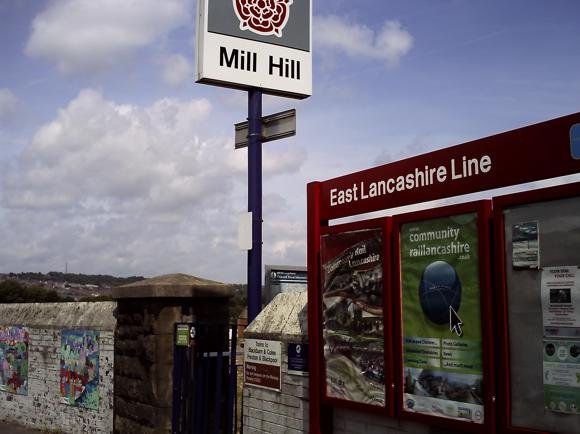
The nearest major airport to Blackburn is Manchester, 68km (42 miles) away. A train from Manchester International to Blackburn (£15) takes 1hr 30mins, including a change at Bolton. From Manchester Victoria, a half-hourly train (£5) takes about 1hr. From London Euston, the cheapest, quickest route by train is via Preston (3hrs, £50-£80. Adding a PlusBus supplement (£2.50) also allows you to use most local bus services all day once you arrive. Blackburn main station is centrally located and but a fair trek from Ewood Park. Closer is Mill Hill, a 15min walk away – hourly trains (£2.50) from Blackburn take 3min. City Taxis (01254 696 996) is a local cab firm. Transdev Blackburn runs local buses, offering online ticket purchase, including the Blackburn Local 1 one-day pass (£4 on board).

Where to Drink

The best pubs and bars for football fans
Drummer's Arms/Jim Wilkinson
The Postal Order/Tony Dawber
Clog & Billycock/Tony Dawber
Feildens Arms/Tony Dawber
Previous Next Right in town on King William Street, you'll find microbrews and a music-savvy crowd at the Drummer's Arms, with early-evening closing during the week. Nearby on Northgate, The Blackburn Times focuses on TV sport, with ten screens and a decorative nod to local football history. Blessed with a jukebox, live music venue Sir Charles Napier on Limbrick also shows sport. An easy hop from the station on main Darwen Street, The Postal Order is a large, well-appointed Wetherspoons. By Blackburn market, The Sun offers TV sport, pool and darts. A short taxi or bus hop from Blackburn, the Clog & Billycock at Pleasington is known for its food. A roaring fire in winter and leafy garden terrace in summer bring many out to this rural idyll. Up in the picturesque village of Mellor Brook, connected by bus to Blackburn, the Feildens Arms has its own distinctive take on rural, with TV sport, a great selection of ales and home-made pies. On-site, en-suite rooms can reserved, too.

Where to stay

The best hotels for the ground and around town
Travelodge Blackburn M65/Tony Dawber
Fernhurst Lodge/Tony Dawber
Previous Next Visit Blackburn has database options of the limited local accommodation in town and surrounding area. A couple of hundred yards from Ewood Park, Fernhurst Lodge is ideal for that overnight away visit, particularly given the dearth of local hotels. Its large pub is used pre-match, these days by home fans only. The Fernhurst is also family-friendly, with a children’s playground, child-care service and restaurant. A Premier Inn stands 40 yards from Blackburn station on the town’s grandly named and re-imagined Boulevard. Besides a couple of desultory guesthouses in town, other accommodation options are either just the other side of Ewood Park towards Darwen or north to Mellor. Most conveniently for away fans coming by car, there are a couple of chain lodgings by the M65 Darwen motorway service area, about a mile’s walk from the stadium. These include another Premier Inn, with a Brewer’s Fayre pub, the Oakenhurst Farm, attached, and, slightly further from Ewood Park, the Travelodge Blackburn M65.
Whitehall Hotel/Tony Dawber
Stanley House/Tony Dawber
Millstone at Mellor/Tony Dawber
Feildens Arms/Tony Dawber
Previous Next If you’re going to stay in Darwen, also convenient for Ewood Park along the A666 or by the regular bus 1 to Blackburn that stops at the stadium, the best choice is the Whitehall Hotel. Dating back to 1898, the well-appointed Whitehall contains many period features and a decent restaurant in a fine moors setting. Alternatively, you could make a weekend of it by staying north of Blackburn around Mellor. Stanley House is an award-winning spa retreat in the rural Ribble Valley, built by Fred Walker, brother of Rovers benefactor Jack. It’s just off the A677 Preston New Road, served by bus 59 to Blackburn. Also superbly set, the Millstone at Mellor offers 23 country-style rooms, a quality restaurant and craft beers from a partner brewery. From here, the 25 bus takes you into Blackburn. The Feildens Arms in pretty Mellor Brook, connected by bus to Blackburn, has a en-suite rooms above an excellent pub with TV sport." ["post_title"]=> string(9) "Blackburn" ["post_excerpt"]=> string(0) "" ["post_status"]=> string(7) "publish" ["comment_status"]=> string(6) "closed" ["ping_status"]=> string(4) "open" ["post_password"]=> string(0) "" ["post_name"]=> string(9) "blackburn" ["to_ping"]=> string(0) "" ["pinged"]=> string(0) "" ["post_modified"]=> string(19) "2022-10-09 05:36:19" ["post_modified_gmt"]=> string(19) "2022-10-09 05:36:19" ["post_content_filtered"]=> string(0) "" ["post_parent"]=> int(0) ["guid"]=> string(36) "https://old.liberoguide.com/?p=14946" ["menu_order"]=> int(0) ["post_type"]=> string(4) "post" ["post_mime_type"]=> string(0) "" ["comment_count"]=> string(1) "0" ["filter"]=> string(3) "raw" } [1]=> object(WP_Post)#4710 (24) { ["ID"]=> int(14596) ["post_author"]=> string(1) "3" ["post_date"]=> string(19) "2016-01-28 10:49:19" ["post_date_gmt"]=> string(19) "2016-01-28 10:49:19" ["post_content"]=> string(21088) "

Teams, tales and tips – a guide to the local game

Concrete cows, grid planning, roundabout hell – the London overspill New Town of Milton Keynes was a hard sell even before a moneyed music producer-cum-property developer moved a 114-year-old football club 60 miles here in 2003. It wasn’t so much Pete Winkelman’s game plan – ‘naïve’, in his own words – as the principle. US sports franchises are bought and sold at will, moving American football teams from St Louis to LA at the drop of a helmet. But in the English game, tradition and local pride are sacrosanct, surely? Shouldn’t Wimbledon, 1988 FA Cup winners, play in Wimbledon? No, said Winkelman and his consortium, who brought the ailing Wimbledon FC to Milton Keynes. And, more than a decade on, with MK Dons, successors to Wimbledon FC, and breakaway club AFC Wimbledon both often found in the third flight, it has all worked out pretty well. There’s enough grudge left that even the occasional cup tie – such in 2012, decided on stoppage-time back-heel for MK – still rankles.
Welcome to Milton Keynes/Jens Raitanen
In the promotion season of 2014-15, MK Dons attracted an average crowd of 9,500, while nearly 21,000 witnessed the decisive fixture of 2018-19, which took the club back to League One from League Two. And all this in a contemporary, multi-sport stadium used for the Rugby World Cup of 2015 and proposed for football’s big global bash of 2018. Milton Keynes can be seen as a more than modest success story. In fact, given the accomplishments of the MK Dons youth academy – embodied by locally born Dele Alli of Tottenham and England fame – the future looks bright. And, still at the helm, is Winkelman, whose achievements made him the fourth recipient of the Freedom of the Borough – right up there with jazz singer Cleo Laine and the Infiniti Red Bull racing team, also based in Milton Keynes. It was Winkelman, after all, who personally took on the huge costs of running a football club in limbo when Wimbledon FC went into administration in 2003.
Wimbledon FC monument/Matt Walker
Wimbledon had enjoyed a special status in the English game. Formed in 1889, by ex-pupils of Old Central School, right on Wimbledon Common, home of eco-friendly children’s characters the Wombles, the Dons were a leading but little-known amateur side. Until 1974-75. At the height of Womblemania, with the spin-off pop band the UK’s most successful chart act, non-league Wimbledon performed near miracles to beat Burnley and hold the mighty Leeds to a 0-0 draw in the FA Cup. A nation willed the Dons to beat Leeds in the home replay, heartbreakingly decided on a deflected own goal. Hero of the day was bearded keeper Dickie Guy. Fast forward 13 years and Wembley penalty heroics from another Wimbledon keeper, Dave Beasant, against league champions Liverpool, sent the FA Cup to dilapidated Plough Lane. Manager of the so-called Crazy Gang was former Dons player Dave Bassett – whose knee had deflected Leeds their winner in 1975. In between, the Dons had entered the Football League, achieved in those days by lobbying and invitation. Soon after, chairman Ron Noades briefly investigated the possibility of moving the club to Milton Keynes. By 2001, Wimbledon were broke and had been groundsharing Selhurst Park with Crystal Palace for ten years.
Welcome to Milton Keynes/Krisztián Mányi
At the same time, celebrity resident Pete Winkelman had gained the secret backing of two large retail firms keen to open in burgeoning Milton Keynes. Long part of the plans for the New Town was a top-level football stadium. Winkelman’s team had the site – in Denbigh, halfway between the centuries-old communities of Fenny Stratford and Bletchley, of Enigma fame. The stadium would centrepiece a business park part-funded by the retail giants. In 1974, non-league Bletchley Town had become Milton Keynes City, who folded a decade later. In 1998, a Mercedes-Benz works team also became Milton Keynes City, who folded in the chaos of 2003. With a stadium already planned, and with no local side to speak of, Milton Keynes now needed a football team. Winkelman provided one: second-flight Wimbledon FC. Still based at Selhurst Park as 2003-04 began, the Dons soon moved to the Milton Keynes National Hockey Stadium, whose rapid conversion was funded by Winkelman’s consortium. In 2004, Winkelman renamed the club the Milton Keynes (MK) Dons.
Holiday Inn Milton Keynes/Peterjon Cresswell
At the same time, breakaway club AFC Wimbledon, formed by disgruntled fans of the old club in 2002, were on a record, 78-game winning streak, the start of a journey from the very lowest rungs that would lead to full league status in 2011. Over in Milton Keynes, the sleek new Stadium MK, of ambitious 30,500 capacity, was unveiled by the Queen in 2007. Built by Winkelman’s Inter MK Group, in its first season it saw the Dons rise back to League One – and even play a season in the Championship in 2015-16. The stadium confirmed its status as a major venue within easy reach of London and the Midlands by hosting four games of the Women's Euros in 2022, nearly filling to its 30,000 capacity for the Germany-France semi-final. As for AFC, theirs is a well-deserved fairytale story. Based at Kingsmeadow, 4,850-capacity ground of Kingstonian in Norbiton, near Kingston, from 2002, the Dons developed a 11,000-capacity stadium on the site of Wimbledon’s forlorn and forgotten greyhound stadium. Opened in 2020, the new Plough Lane is named in honour of the original club’s old ground, now a housing development. Venerable Kingstonian, meanwhile, were kicked out of Kingsmeadow in the spring of 2017. After a season-long groundshare deal with Leatherhead ended in 2018, the rootless K's moved to Tolworth. If ever there were victims in this whole saga, it's this amateur club dating back to 1885. Wearing Wimbledon blue, AFC gained promotion to League One where, in 2016-17, they met MK Dons as league equals for the first time. But not the last. [mapsmarker layer="196"]

Getting Around

Arriving in town, local transport and timings
MK Dons transport/Krisztián Mányi
Luton is the nearest airport to Milton Keynes 40km (25 miles) away. National Express coaches (advance singles £8-£10) run every 30mins-2hrs to Milton Keynes Coachway (40min journey time), on the eastern edge of town by the M1 motorway. There’s no direct rail link between Luton Airport Parkway and Milton Keynes Central train station, on the western edge of town. Regular trains from London Euston (singles £10-£20) take 30mins. For the Stadium MK, Fenny Stratford is closer. Get the regular train from Euston to Bletchley (advance singles £20, 35mins), then change (3mins). Adding a Milton Keynes/Bletchley PlusBus supplement (£3) to your ticket allows you to use local buses for the rest of the day. From Luton Airport to Milton Keynes, a local Skyline Taxi (01908 222 111) quotes £30. Several bus companies serve Milton Keynes – an electronic MK Move day pass (£5.20) is valid for all, registration required.

Where to Drink

The best pubs and bars for football fans
Wetherspoons/Jens Raitanen
Moon Under Water/Jens Raitanen
Browns/Jens Raitanen
The Cricketers/Peterjon Cresswell
Brewhouse & Kitchen/Krisztián Mányi
BrewDog Milton Keynes/Krisztián Mányi
Midsummer Tap/Krisztián Mányi
Previous Next Chain bars dot the grid-patterned streets of the Theatre District, the nightlife and dining quarter near the major hotels on and off Midsummer Boulevard. Here the main Wetherspoons is called, as if in keeping with the surrounding functionality, Wetherspoons. Nearby, in the same family, is the Moon Under Water. The local branch of Browns sits by the Jurys Inn hotel, with most other high-street chains in the vicinity. Alongside, BrewDog features 20 taps of craft beer. At the park end of the boulevard, Midsummer Tap right by Milton Keynes Theatre focuses on TV sport and craft drinks. Also here is the Brewhouse & Kitchen, with house ales such as Mechanic Black IPA and Style Council Tropical IPA. Further up, on the other side of the park overlooking the Grand Union Canal, Wharbler on the Wharf makes best use of its spacious terrace. East of the central zone, on the same side of town as the stadium, The Cricketers is a handy find, a Greene King pub dotted with TVs for sport and a terrace overlooking a green patch of Oldbrook. Hulking great burgers, too.

Where to stay

The best hotels for the ground and around town
DoubleTree by Hilton Milton Keynes/Peterjon Cresswell
DoubleTree by Hilton Milton Keynes/Krisztián Mányi
Travelodge Milton Keynes Central/Krisztián Mányi
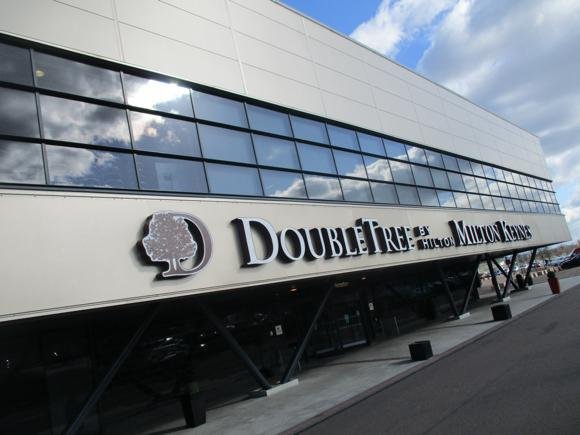
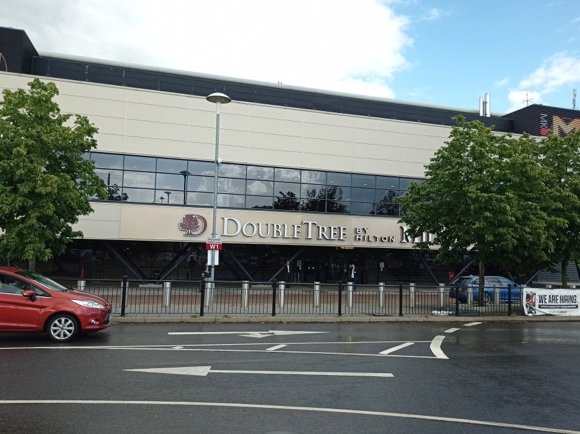
Previous Next Destination Milton Keynes has a hotel database and booking service. The Stadium MK actually has a hotel built into it: the DoubleTree by Hilton Milton Keynes. With 230 guest rooms, this business-friendly establishment contains the Pitchside Bar & Restaurant. Pitch-facing suites must be vacated during match time. Also convenient but more wallet-friendly, the The Swan is a sport-focused pub with 11 en-suite rooms, just behind Fenny Stratford station. Don’t miss out on breakfast. Also well-located near Milton Keynes Central station at Grafton Gate, you’ll find a convenient Travelodge.
Hotel La Tour/Krisztián Mányi
Jurys Inn Milton Keynes/Jens Raitanen
Jurys Inn Milton Keynes/Peterjon Cresswell
Holiday Inn Milton Keynes/Peterjon Cresswell
easyHotel Milton Keynes Central/Krisztián Mányi
Holiday Inn Milton Keynes Central/Krisztián Mányi
Hotel La Tour/Krisztián Mányi
Moxy Milton Keynes/Krisztián Mányi
Hotel La Tour/Krisztián Mányi
Moxy Milton Keynes/Krisztián Mányi
easyHotel Milton Keynes Central/Krisztián Mányi
Holiday Inn Milton Keynes Central/Krisztián Mányi
Premier Inn Milton Keynes Central/Krisztián Mányi
Previous Next In central Milton Keynes ('The Hub'), on Midsummer Boulevard close to the train station, Jurys Inn comprises 279 bedrooms often available with seasonal discounts. A bit further along, the Holiday Inn Milton Keynes has a gym, sauna and heated pool. Alongside on Avebury Boulevard, Moxy is the Marriott chain's funky, urban range ('Stay, Play, Party and Discover') with a bar to match. Over in the Theatre District, the local Premier Inn is handy for nightlife options while La Tour at Marlborough Gate exudes sophisticated style, its Fourteen Sky Bar and Restaurant basking in views across Buckinghamshire." ["post_title"]=> string(13) "Milton Keynes" ["post_excerpt"]=> string(0) "" ["post_status"]=> string(7) "publish" ["comment_status"]=> string(6) "closed" ["ping_status"]=> string(4) "open" ["post_password"]=> string(0) "" ["post_name"]=> string(13) "milton-keynes" ["to_ping"]=> string(0) "" ["pinged"]=> string(0) "" ["post_modified"]=> string(19) "2022-10-10 12:36:15" ["post_modified_gmt"]=> string(19) "2022-10-10 12:36:15" ["post_content_filtered"]=> string(0) "" ["post_parent"]=> int(0) ["guid"]=> string(36) "https://old.liberoguide.com/?p=14596" ["menu_order"]=> int(0) ["post_type"]=> string(4) "post" ["post_mime_type"]=> string(0) "" ["comment_count"]=> string(1) "0" ["filter"]=> string(3) "raw" } [2]=> object(WP_Post)#4878 (24) { ["ID"]=> int(295) ["post_author"]=> string(1) "2" ["post_date"]=> string(19) "2013-10-16 19:15:50" ["post_date_gmt"]=> string(19) "2013-10-16 19:15:50" ["post_content"]=> string(23852) "

Teams, tales and tips – a guide to the local game

Outside Villa Park stands a statue of William McGregor, founder of the Football League, the draper from Perth and director of Aston Villa who almost single-handedly elevated the amateur game of football to a professional level from 1888 onwards. Villa and their main rivals, Birmingham City, had been formed well over a decade before. Both are still based at the grounds they played at during the McGregor era. Villa Park has since staged a European final, a World Cup, and more FA Cup semi-finals than any other stadium. Formed around the same time, and also founder members of McGregor’s Football League in 1888, West Bromwich Albion have been playing at The Hawthorns, on the border of West Bromwich and Birmingham, since 1900.
Welcome to Birmingham/Peterjon Cresswell
But for all this tradition, the city of Birmingham has only celebrated two league titles since the McGregor era, West Brom’s just after World War I and Aston Villa’s in 1981. Villa also brought home the European Cup the year afterwards. Other silverware has otherwise been few and far between. All tolled, the three clubs have won 11 domestic cups since the war, the last FA Cup being WBA’s in 1968. The Villans are based north of town, in Witton, beside Aston. Birmingham, originally Small Heath, are still based there, just east of the city centre. Derbies involving West Bromwich tend to be lively rather than volatile. Beyond West Bromwich is Wolverhampton, only 12 miles away. The Black Country derby between WBA and Wolverhampton Wanderers holds equal, if not more, allure for Baggies fans.
Welcome to Birmingham/Peterjon Cresswell
Trailing way behind Liverpool and Manchester in the trophy stakes, England’s second most populous city had a head start on both. Only Birmingham had two clubs in McGregor's inaugural Football League of 1888-89. The wily Scot had insisted on a one-club-per-city format, and West Bromwich officially represent the market town of the same name in the Black Country, a bus stop away from Birmingham. Birmingham was also the first city to provide both teams in an FA Cup final – in fact, Villa and WBA would meet three times in London in under a decade, the 1895 showdown attracting 42,560 to Crystal Palace. The first of only two times that Birmingham City made the final, in 1931, West Brom were the opponents.
Welcome to Birmingham/Peterjon Cresswell
These rivalries also extended to the Birmingham Cup, the oldest county trophy of its kind still in existence – although the first winners in 1876, Wednesbury Old Athletic, are no longer with us. As the big three focused more on the Football League and FA Cup, so they began to field reserve sides, allowing the likes of Stourbridge, Willenhall Pickwick and Bliston United to make the final of the local competition either side of World War I. Aston Villa and Birmingham, then called Small Heath Alliance, first met in 1879, and for a competitive fixture in 1887. Since then, Second City derbies in cup competitions have been relatively rare, only 11 in more than 130 years, including the two-legged League Cup final of 1963.
Welcome to Birmingham/Peterjon Cresswell
Recent seasons have seen violent clashes. Birmingham’s last-gasp 2-1 win in the League Cup of December 2010 was marred by some of the worst scenes witnessed at an English football ground in modern times, on the pitch, in and around the ground. It was Birmingham’s first victory over Villa in five years. Manager Alex McLeish, having led Blues to beat Arsenal in the subsequent League Cup Final that February, promptly went over to Villa in June. Protests broke out on both sides. McLeish only lasted a season at Villa Park. n 2015-16, Villa tumbled out of the top flight for the first time since 1988, leaving WBA as the city's only representatives in the Premier League. With Birmingham rooted in the second tier, this led to a number of league clashes, the last of which came in 2019. A spectator run onto the pitch at St Andrew's, thumped Villa hero Jack Grealish and was hauled down by stewards. The England international and lifelong Villa fan then scored a late winner for the visitors, diving into the away end to celebrate. The Villans duly went on a ten-game winning streak to make the Championships play-offs and face a recently relegated WBA, a two-leg tie decided on penalties after extra-time, two red cards and untold goalmouth drama. With West Brom relegated once more in 2021, Villa currently have no cross-city rivals in the Premier League.
Welcome to Birmingham/Peterjon Cresswell
The Vine Inn/Peterjon Cresswell
Welcome to Birmingham/Peterjon Cresswell
Broad Street/Peterjon Cresswell
Welcome to Birmingham/Peterjon Cresswell
Previous Next [mapsmarker layer="30"]

Getting Around

Arriving in town, local transport and timings
Jurys Inn/Peterjon Cresswell
Birmingham Airport is 10km (six miles) south-east of town, with its own station, Birmingham International, on the main rail network. A free Air-Rail Link monorail connects the airport to the station. Trains run to downtown Birmingham New Street (journey time 10-15mins, £3.30) every 10mins. A taxi (0121 695 9807) to town should cost around £15. In town, network west midlands oversees the system of buses, metro light rail and regional trains that serve Birmingham. There are various types of day tickets, including the nnetwork (£9) for bus, tram and rail and nnetwork Daytripper (£6.90) for bus, tram and certain rail services.

Where to Drink

The best pubs and bars for football fans
The Brasshouse/Peterjon Cresswell
Soloman Cutler/Peterjon Cresswell
Players/Peterjon Cresswell
Pennyblacks/Peterjon Cresswell
The Vine Inn/Peterjon Cresswell
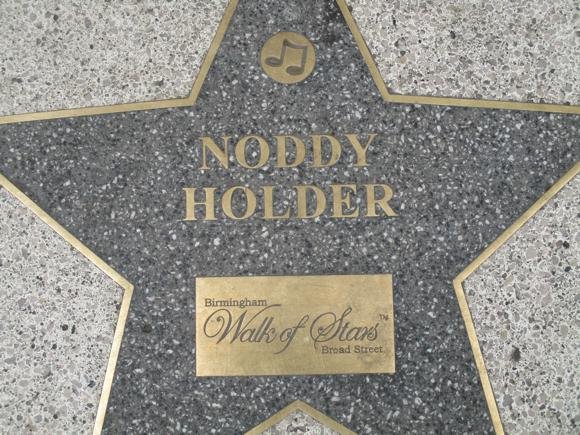
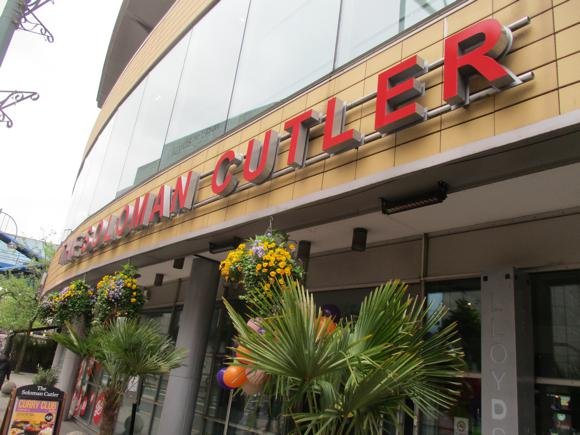
Previous Next Bars, pubs and nightspots line Broad Street, famous local musicians honoured in stars along the pavement, Birmingham's customised version of Hollywood Boulevard. Venues there include the Brasshouse, a large, canalside pub with TV sports, Soloman Cutler, a handily located Wetherspoons just over the water, and after-dark Players. Further down the waterfront in Mailbox Birmingham, Pennyblacks is sports bar, restaurant and nightclub in one, with sought-after ales, cocktails and pub grub served in contemporary, post-industrial surroundings. Further up Broad Street, just off Five Ways on Ruston Street, the Vine Inn is a quite wonderful local pub, friendly and communal. Aston Villa paraphernalia, including a signed photo of Dennis Mortimer lifting the European Cup, surround pool tables, flat-screen TVs and a cosy wooden interior. Here football comes first.
The Shakespeare/Peterjon Cresswell
The Crown Hotel/Peterjon Cresswell
The Square Peg/Peterjon Cresswell
Briar Rose/Peterjon Cresswell
The Wellington/Peterjon Cresswell
Anchor Inn/Peterjon Cresswell
Previous Next By the Magistrates' Courts, the Crown Hotel, dating back to 1862, is a decent place to watch the match, with quality pub grub. The nearby Square Peg fills the ground floor of a former Victorian department store. Also on Corporation Street, the Peaky Blinder Pub is themed after the hit TV series, promising no WiFi, no food but great beer and music – plus a TV screen. Nearer New Street on Briar Rose on Bennetts Hill is a Wetherspoons attached to a city-centre hotel, while the nearby Wellington is a good spot for ales, best enjoyed on the roof terrace. On Lower Temple Street New Street station, the Shakespeare is a distinctive old Victorian gin palace, with pub food and TV football the focus. Behind Birmingham coach station in Digbeth, a short walk from the Bullring, the Anchor Inn is as honest as it gets, a real-ale paradise (Bee Sting, Shipyard Pale Ale, Razor Back – choose from the chalkboard) with retro maps and photos relating to generations of bus travel. TVs provide football coverage but most are here for the beer.

Where to stay

The best hotels for the grounds and around town
Macdonald Burlington/Dave Rimmer
Macdonald Burlington/Peterjon Cresswell
Britannia Hotel/Peterjon Cresswell
Briar Rose/Peterjon Cresswell
Copthorne Hotel/Peterjon Cresswell
ibis Styles/Peterjon Cresswell
Previous Next Visit Birmingham has a hotel database and online booking. Handily located near Snow Hill station, the Hotel du Vin  is set in a former Victorian eye hospital, its grand surroundings now housing 66 rooms, a gym, sauna, restaurant and the Pub du Vin. There's also an inner courtyard with a retractable roof. The Britannia Hotel is as central as you can get, just across from Aston Villa’s downtown store, within five minutes of New Street station. The nearby landmark Macdonald Burlington is the former Midland railway hotel, dating back to 1874 and still full of character. Round the corner on Bennetts Hill, the Briar Rose is a more upscale version example of lodgings in the Wetherspoons chain. Over at Paradise Circus, the four-star  Copthorne is also walking distance from New Street. Just across the main road from there, the ibis Styles is a design-forward economy choice.
Hotel Indigo/Peterjon Cresswell
Hyatt Regency Birmingham/Peterjon Cresswell
Jurys Inn/Peterjon Cresswell
Travelodge Birmingham Central/Peterjon Cresswell
Novotel Birmingham Centre/Peterjon Cresswell
Hampton by Hilton/Peterjon Cresswell
AC Hotel Birmingham/Peterjon Cresswell
Malmaison/Peterjon Cresswell
Previous Next As well as bars, Broad Street is lined with hotels. The Hyatt Regency dominates the skyline, its modern, four-star rooms complemented by a pool and spa. Nearby Jurys Inn also provides quality lodging, with a wallet-friendly Travelodge alongside. Over the road, the Novotel has a gym and business facilities. Further along, the Hampton by Hilton also has panoramic views from many guestrooms. For a contemporary stay near the waterfront, the Hotel Indigo at The Cube offers spa packages and private dining laid on by star chef Marco Pierre White. Round the corner, the wharfside AC Hotel Birmingham in the Marriott chain has 24-hour fitness facilities. Nearby, the Malmaison provides a touch of boutique luxury.
adagio aparthotel Birmingham/Peterjon Cresswell
The Royal George/Peterjon Cresswell
Rowton Hotel, former Paragon/Peterjon Cresswell
Ibis Birmingham Bordesley Circus/Peterjon Cresswell
Mercure Birmingham West, former Park Inn/Peterjon Cresswell
Aston Inn, former Aston Social/Peterjon Cresswell
Previous Next There’s precious little accommodation near Villa Park – the nearby Aston Hotel has long been closed. The Aston Inn, the rebranded New Aston Social Club on Aston Hall Road, has just started offering en-suite guest rooms above a convivial pre-/post-match bar. For WBA, the Mercure Birmingham West, the former Park Inn by Radisson, still has a pool, gym and sauna near the Sandwell Park golf club and helipad, within walking distance of The Hawthorns. Birmingham City are closer to the city centre. Several lodging options are located nearby, most notably The Royal George, a Blues-focused pub with rooms attached. Also close, by a busy roundabout, is a budget-priced ibis. Handy for both St Andrew’s and town, the Rowton, the former Paragon Hotel, is set in an old Victorian institution, with cheap online deals and a busy bar. Over the road from the coach station and an easy bus hop to the ground, the adagio aparthotel offers short- and long-term stays in convenient comfort, with a gym attached." ["post_title"]=> string(10) "Birmingham" ["post_excerpt"]=> string(0) "" ["post_status"]=> string(7) "publish" ["comment_status"]=> string(6) "closed" ["ping_status"]=> string(6) "closed" ["post_password"]=> string(0) "" ["post_name"]=> string(10) "birmingham" ["to_ping"]=> string(0) "" ["pinged"]=> string(0) "" ["post_modified"]=> string(19) "2022-10-08 20:35:02" ["post_modified_gmt"]=> string(19) "2022-10-08 20:35:02" ["post_content_filtered"]=> string(0) "" ["post_parent"]=> int(0) ["guid"]=> string(34) "https://old.liberoguide.com/?p=295" ["menu_order"]=> int(0) ["post_type"]=> string(4) "post" ["post_mime_type"]=> string(0) "" ["comment_count"]=> string(1) "0" ["filter"]=> string(3) "raw" } } ["post_count"]=> int(3) ["current_post"]=> int(-1) ["before_loop"]=> bool(true) ["in_the_loop"]=> bool(false) ["post"]=> object(WP_Post)#4886 (24) { ["ID"]=> int(14946) ["post_author"]=> string(1) "3" ["post_date"]=> string(19) "2016-02-17 15:38:48" ["post_date_gmt"]=> string(19) "2016-02-17 15:38:48" ["post_content"]=> string(15452) "

Teams, tales and tips – a guide to the local game

Blackburn is home to one of only two clubs outside of Manchester and London to have won the Premier League, Jack Walker’s Blackburn Rovers, crowned champions in 1995. But this East Lancashire mill town also ruled the domestic game a century before – even before Rovers became inaugural members of the Football League in 1888. A sea change in English football took place in the longer established FA Cup – with Blackburn at the helm. From its foundation in 1871, the Football Association Challenge Cup was dominated by teams of public school old boys and well-to-do amateurs. Their game involved one player taking the ball as far as he could before being bundled over by the opposition – who then charged upfield in just the same way. Short of catching and carrying, it bore more resemblance to rugby. One team differed. Royal Engineers were innovative exponents of passing and teamwork, the so-called combination game.
Welcome to Blackburn/Jim Wilkinson
The Royal Engineers were also the first team to go on tour, playing in Sheffield in 1873. Watching that day was Jack Hunter, a half-back for Sheffield Heeley. The 1870s also saw football take off in industrial Lancashire. Blackburn alone had a dozen clubs, so many that an Association Challenge Cup was established just for the city itself. The biggest club, Rovers, were formed at the St Leger Hotel on King William Street in 1875. Their main rivals, Blackburn Olympic, were created three years later from an amalgamation of Black Star and James Street. Jack Hunter joined Olympic in 1882. Like many of his later team-mates, he ran a local pub – Olympic’s pitch was even named after its adjoining hostelry, the Hole I’ Th’ Wall. In 2015, the pub was put up for sale, despite local protests.
Welcome to Blackburn/Jim Wilkinson
Back in the 1880s, running a pub and running out for the local club made logistical, even economic sense. To the dismay, even disgust, of the southern amateurs, payments by means of compensation were being made to the tradesmen, weavers and factory workers who comprised the burgeoning teams from Lancashire. The crunch came in 1883. The year before, Rovers had been the first northern club to reach the FA Cup final. After Olympic beat Old Carthusians in the semi-final of 1883, captain and coach Jack Hunter took the team away to Blackpool for several days’ training, revolutionary for the time. For the final against Old Etonians, Hunter took up a centre-half position, constantly organising his defence throughout the game to win the day. The amateur era was over. Then it was Rovers’ turn, winning the cup three times running. All tolled, the trophy stayed in Blackburn for four years straight – and the north or Midlands for the rest of the century. Ironically, the open professionalism that soon came spelled the end for Olympic, whose key players went to wealthier Rovers or Preston. When the Football League was formed by and for the professional clubs of the north in 1888, only one club was allowed per city. Dominant Rovers were Blackburn’s.
Welcome to Blackburn/Tony Dawber
The clubs that were left out, Blackburn Olympic, Newton Heath (later Manchester United) and others, formed the short-lived Combination League. In 1889 Olympic folded. The following year, nearby Burnley beat Rovers to win the Lancashire Cup and a new local rivalry was born. The East Lancashire derby saw epic clashes either side of World War I, and again in the late 1950s and early 1960s, when Rovers fan Jack Walker would watch from the terraces. Meetings in the modern era were more rare, as steel millionaire Walker bankrolled the moribund Rovers back to the top flight, leaving Burnley behind. It didn’t last. The two shared the same league again in 2000-01, violent derby-day scenes the result and high security the consequence from then on. Walker, meanwhile, died on the eve of that 2000-01 season, his statue at Rovers’ Ewood Park a testament how a working-class local could take on the English football establishment and win.
Welcome to Blackburn/Jim Wilkinson
Welcome to Blackburn/Tony Dawber
Welcome to Blackburn/Jim Wilkinson
Previous Next [mapsmarker layer="199"]

Getting Around

Arriving in town, local transport and tips
Blackburn Rovers transport/Tony Dawber
The nearest major airport to Blackburn is Manchester, 68km (42 miles) away. A train from Manchester International to Blackburn (£15) takes 1hr 30mins, including a change at Bolton. From Manchester Victoria, a half-hourly train (£5) takes about 1hr. From London Euston, the cheapest, quickest route by train is via Preston (3hrs, £50-£80. Adding a PlusBus supplement (£2.50) also allows you to use most local bus services all day once you arrive. Blackburn main station is centrally located and but a fair trek from Ewood Park. Closer is Mill Hill, a 15min walk away – hourly trains (£2.50) from Blackburn take 3min. City Taxis (01254 696 996) is a local cab firm. Transdev Blackburn runs local buses, offering online ticket purchase, including the Blackburn Local 1 one-day pass (£4 on board).

Where to Drink

The best pubs and bars for football fans
Drummer's Arms/Jim Wilkinson
The Postal Order/Tony Dawber
Clog & Billycock/Tony Dawber
Feildens Arms/Tony Dawber
Previous Next Right in town on King William Street, you'll find microbrews and a music-savvy crowd at the Drummer's Arms, with early-evening closing during the week. Nearby on Northgate, The Blackburn Times focuses on TV sport, with ten screens and a decorative nod to local football history. Blessed with a jukebox, live music venue Sir Charles Napier on Limbrick also shows sport. An easy hop from the station on main Darwen Street, The Postal Order is a large, well-appointed Wetherspoons. By Blackburn market, The Sun offers TV sport, pool and darts. A short taxi or bus hop from Blackburn, the Clog & Billycock at Pleasington is known for its food. A roaring fire in winter and leafy garden terrace in summer bring many out to this rural idyll. Up in the picturesque village of Mellor Brook, connected by bus to Blackburn, the Feildens Arms has its own distinctive take on rural, with TV sport, a great selection of ales and home-made pies. On-site, en-suite rooms can reserved, too.

Where to stay

The best hotels for the ground and around town
Travelodge Blackburn M65/Tony Dawber
Fernhurst Lodge/Tony Dawber
Previous Next Visit Blackburn has database options of the limited local accommodation in town and surrounding area. A couple of hundred yards from Ewood Park, Fernhurst Lodge is ideal for that overnight away visit, particularly given the dearth of local hotels. Its large pub is used pre-match, these days by home fans only. The Fernhurst is also family-friendly, with a children’s playground, child-care service and restaurant. A Premier Inn stands 40 yards from Blackburn station on the town’s grandly named and re-imagined Boulevard. Besides a couple of desultory guesthouses in town, other accommodation options are either just the other side of Ewood Park towards Darwen or north to Mellor. Most conveniently for away fans coming by car, there are a couple of chain lodgings by the M65 Darwen motorway service area, about a mile’s walk from the stadium. These include another Premier Inn, with a Brewer’s Fayre pub, the Oakenhurst Farm, attached, and, slightly further from Ewood Park, the Travelodge Blackburn M65.
Whitehall Hotel/Tony Dawber
Stanley House/Tony Dawber
Millstone at Mellor/Tony Dawber
Feildens Arms/Tony Dawber
Previous Next If you’re going to stay in Darwen, also convenient for Ewood Park along the A666 or by the regular bus 1 to Blackburn that stops at the stadium, the best choice is the Whitehall Hotel. Dating back to 1898, the well-appointed Whitehall contains many period features and a decent restaurant in a fine moors setting. Alternatively, you could make a weekend of it by staying north of Blackburn around Mellor. Stanley House is an award-winning spa retreat in the rural Ribble Valley, built by Fred Walker, brother of Rovers benefactor Jack. It’s just off the A677 Preston New Road, served by bus 59 to Blackburn. Also superbly set, the Millstone at Mellor offers 23 country-style rooms, a quality restaurant and craft beers from a partner brewery. From here, the 25 bus takes you into Blackburn. The Feildens Arms in pretty Mellor Brook, connected by bus to Blackburn, has a en-suite rooms above an excellent pub with TV sport." ["post_title"]=> string(9) "Blackburn" ["post_excerpt"]=> string(0) "" ["post_status"]=> string(7) "publish" ["comment_status"]=> string(6) "closed" ["ping_status"]=> string(4) "open" ["post_password"]=> string(0) "" ["post_name"]=> string(9) "blackburn" ["to_ping"]=> string(0) "" ["pinged"]=> string(0) "" ["post_modified"]=> string(19) "2022-10-09 05:36:19" ["post_modified_gmt"]=> string(19) "2022-10-09 05:36:19" ["post_content_filtered"]=> string(0) "" ["post_parent"]=> int(0) ["guid"]=> string(36) "https://old.liberoguide.com/?p=14946" ["menu_order"]=> int(0) ["post_type"]=> string(4) "post" ["post_mime_type"]=> string(0) "" ["comment_count"]=> string(1) "0" ["filter"]=> string(3) "raw" } ["comment_count"]=> int(0) ["current_comment"]=> int(-1) ["found_posts"]=> int(3) ["max_num_pages"]=> int(1) ["max_num_comment_pages"]=> int(0) ["is_single"]=> bool(false) ["is_preview"]=> bool(false) ["is_page"]=> bool(false) ["is_archive"]=> bool(true) ["is_date"]=> bool(false) ["is_year"]=> bool(false) ["is_month"]=> bool(false) ["is_day"]=> bool(false) ["is_time"]=> bool(false) ["is_author"]=> bool(false) ["is_category"]=> bool(true) ["is_tag"]=> bool(false) ["is_tax"]=> bool(false) ["is_search"]=> bool(false) ["is_feed"]=> bool(false) ["is_comment_feed"]=> bool(false) ["is_trackback"]=> bool(false) ["is_home"]=> bool(false) ["is_privacy_policy"]=> bool(false) ["is_404"]=> bool(false) ["is_embed"]=> bool(false) ["is_paged"]=> bool(false) ["is_admin"]=> bool(false) ["is_attachment"]=> bool(false) ["is_singular"]=> bool(false) ["is_robots"]=> bool(false) ["is_favicon"]=> bool(false) ["is_posts_page"]=> bool(false) ["is_post_type_archive"]=> bool(false) ["query_vars_hash":"WP_Query":private]=> string(32) "e4b1671c69eb86276e7e7fb86397fe99" ["query_vars_changed":"WP_Query":private]=> bool(false) ["thumbnails_cached"]=> bool(false) ["allow_query_attachment_by_filename":protected]=> bool(false) ["stopwords":"WP_Query":private]=> NULL ["compat_fields":"WP_Query":private]=> array(2) { [0]=> string(15) "query_vars_hash" [1]=> string(18) "query_vars_changed" } ["compat_methods":"WP_Query":private]=> array(2) { [0]=> string(16) "init_query_flags" [1]=> string(15) "parse_tax_query" } ["query_cache_key":"WP_Query":private]=> string(41) "wp_query:19c6c141cf5e6ff2e396a1e4e8b4f2ac" }